

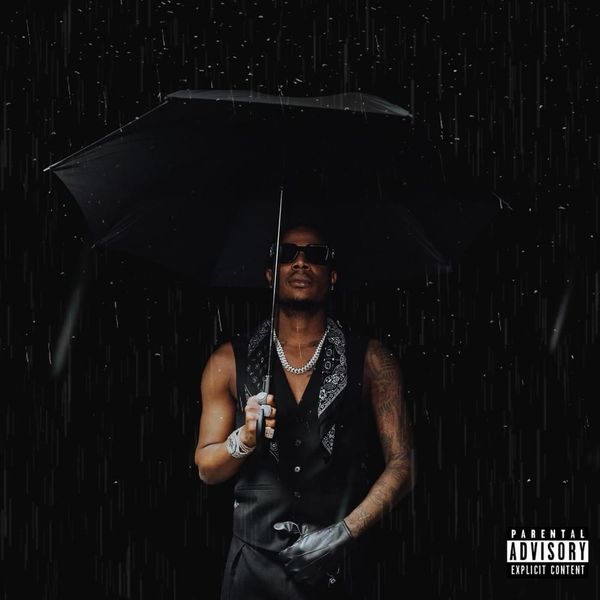

Masicka’s Forever Reign A Dancehall King Builds for Legacy
There is a difference between becoming successful and building something capable of surviving success.
On his third studio album, Forever Reign, Masicka sounds increasingly concerned with the latter.
Following 438 and 2023’s Generation of Kings, the Jamaican lyricist enters his latest chapter carrying the expectations that come with becoming one of contemporary dancehall’s leading international figures. Instead of allowing those expectations to dilute his music, Masicka uses the 17-track project to examine the very things that brought him here: faith, family, survival, loyalty, ambition, money, violence, relationships and the price of progression.
Released through Def Jam Recordings on Aug. 14, Forever Reign stretches across 17 tracks and approximately 47 minutes, with production involving Dunw3ll, Dre Skull, Di Genius, Supa Dups, IzyBeats, Dready, Telz and others.
The result is an album broad enough to travel internationally without abandoning the Jamaican foundations that made Masicka compelling in the first place.
More importantly, Masicka still sounds hungry. That might be Forever Reign’s greatest achievement.
“1 Psalm” Opens the Reign With Purpose Masicka could have begun the album with a declaration of wealth, status or dominance. Instead, he begins with prayer. “1 Psalm,” featuring Damian “Jr. Gong” Marley, is a commanding opening statement built around spirituality, protection, perseverance and militancy. Dunw3ll’s production gives the record appropriate scale, incorporating African percussion, choral textures and cinematic elements without burying either artist beneath the arrangement.
The collaboration feels significant beyond simply placing two major Jamaican names on the same track.
Damian Marley represents a generation and lineage that has carried Jamaican music around the world without surrendering its identity. Masicka represents one of the younger artists attempting to do the same thing with modern dancehall.
That makes “1 Psalm” feel almost ceremonial. Both artists deliver individually before the record develops into something closer to a lyrical exchange, with Masicka and Marley going toe-to-toe as the song progresses. There is no sense of the younger artist shrinking beside the veteran. Instead, it resembles one established Jamaican force acknowledging another. The “Youngest Veteran” effectively standing beside a younger king in his own right. The accompanying visual, released on album day, reinforces the record’s spiritual and militant atmosphere through uniforms, Nyabinghi drummers, religious imagery and a gospel choir.
It is difficult to imagine a more appropriate opening for an album called Forever Reign.
“Oak Tree” Turns Survival Into Cinema If “1 Psalm” establishes the album spiritually, “Oak Tree” establishes its mythology.
Already emerging as an early fan favourite, the record captures one of Masicka’s greatest strengths: turning struggle into something that feels simultaneously personal and representative of a much larger experience. But the accompanying Ruppi-directed visual adds another layer. Children dressed in white appear chained. Crosses, water, arrows and other symbols populate a world in which Masicka can be interpreted almost as a dancehall Robin Hood, battling a system that hoards opportunity while attempting to create something for his people. He finds water. He establishes movement. Yet the forces surrounding him continue trying to undermine that progress.
The bow-and-arrow imagery becomes particularly effective. Masicka repeatedly hits his targets, only for arrows eventually to appear in his own back.
Success has consequences.
Sometimes the people watching you hit the target are also preparing the next arrow.
The final image of the oak tree, accompanied by the drawing of another bow, leaves the story unresolved. The tree represents growth and permanence, but even something deeply rooted remains under attack.
Masicka – Oak Tree
Sonically, Dready gives Masicka space rather than clutter, with restrained piano, strings and synth textures surrounding the vocal.
It is one of the album’s strongest combinations of music, message and visual storytelling.
Masicka Expands the Palette Forever Reign becomes particularly interesting when Masicka begins moving outside the obvious dancehall templates. “Pointless” introduces a soulful atmosphere and gives Masicka room to lean further into melody and singing.
Then comes “Shakazulu,” where the album turns toward Africa.
There are references stretching toward African culture, including fufu, while producer Telz builds a rhythm whose scale evokes the unmistakable feel of 50 Cent’s “In Da Club” without simply becoming a recreation of it. The result is muscular, rhythmic and deliberately international. Contemporary criticism has similarly noted the record’s connection to the monumental character of that early-2000s hip-hop production.
“Spend” brings things firmly back into dancehall territory. At a moment when spending on women has again become a noticeable lyrical conversation within Jamaican music, including records such as Shaneil Muir’s “Gi Gyal Money,” Masicka makes his position wonderfully uncomplicated: he will spend. Human civilisation has produced philosophy, medicine and space travel, yet dancehall will always find time to conduct serious economic policy through songs about who is paying for the woman. And somehow it works. The rhythm is immediate, the subject is accessible and Masicka sounds comfortable. Love, Sex and “Good” Music
“Good” represents another side of the album. Masicka has always been capable of balancing hardcore records with music directed toward women, but “Good” carries a particularly warm, soulful quality. Its relaxed musical character deliberately contrasts with the considerably less innocent subject matter. That contrast gives the song personality. It is a love record by dancehall standards, which naturally means nobody should expect Shakespeare standing beneath a balcony.
Yet beneath the sexuality is genuine melodic appeal. It is the type of record likely to develop beyond the album’s initial hardcore audience.
Then comes a song that needs considerably less introduction.
“Slip & Slide” Remains One of the Album’s Immediate Weapons
Produced by Stephen “Di Genius” McGregor, “Slip & Slide” had already established itself before Forever Reign arrived.
Built on the Hill & Gully Riddim, it demonstrates how efficiently Masicka can operate when the objective is simply to make a dancehall record move.
The production bounces. Masicka attacks the pockets in the rhythm rather than fighting them, and the record carries the effortless replay value that often separates a functioning single from an actual hit.
Its strength has already translated digitally, with “Slip & Slide” appearing among Masicka’s leading tracks on Spotify ahead of the album’s release.
Masicka, Di Genius – Slip & Slide | Hill & Gully Riddim It gives Forever Reign a proven centrepiece without making the album dependent on previously released material.
From Jamaica to Nigeria on “G Wagon”
“G Wagon,” featuring Blaqbonez, continues Masicka’s exploration of African-influenced production. The record carries an Amapiano/Afroswing flavour without making Masicka sound like a Jamaican artist awkwardly visiting somebody else’s genre for streaming arithmetic. That distinction matters. Dancehall’s relationship with Afrobeats has become increasingly complicated as both sounds occupy international spaces and frequently borrow from overlapping rhythmic traditions. The most convincing collaborations occur when neither side sacrifices its identity. Blaqbonez brings Nigerian character to “G Wagon”; Masicka remains unmistakably Masicka.
It feels like connection rather than imitation.
Kraff and Masicka Make the “Honor Roll”. The album returns decisively to hardcore contemporary dancehall with “Honor Roll,” featuring Kraff Gad. Dunw3ll’s production provides precisely the environment both artists need. Masicka is in full lyrical flow while Kraff injects the record with the unpredictable youthful energy that has made him one of his generation’s most distinctive voices. There is also symbolism here. Masicka has spoken about Kraff reminding him of himself when he was younger and hungry. On an album partly concerned with longevity, placing an emerging dancehall talent alongside an artist now entering veteran territory creates another generational bridge.
“1 Psalm” places Masicka beside Damian Marley. “Honor Roll” places Kraff beside Masicka.
That sequencing quietly says something important about how musical generations work. At some point the student becomes the established artist standing beside the next hungry youth.
“Boasty” Requires No Translation
Then comes “Boasty.” The title essentially writes the review. It is unapologetic Masicka: confidence, lifestyle, money, women, street authority and status delivered over a record designed to swagger rather than contemplate. Released as a single in March, “Boasty” had already established itself among Masicka’s prominent 2026 releases before being incorporated into Forever Reign. The clever part is where it appears. After several records showing Masicka stretching his sound, “Boasty” reminds listeners that experimentation has not removed the aggression that built his core audience.
“Cross the Waters” Goes Deeper “Cross the Waters” is closer to gangster confession than conventional boasting. Masicka documents what he has been prepared to endure, sacrifice and potentially do in pursuit of his journey. Sports references collide with history, dancehall references and notorious figures, allowing Masicka to use cultural shorthand while building a larger narrative about survival.
This is where his technical writing deserves attention. Masicka’s reputation as a lyricist is not simply built upon punchlines. His strongest writing frequently involves stacking references inside a verse without allowing the construction to destroy its musicality. “Cross the Waters” demonstrates that ability. There is threat in the record, certainly, but underneath the violence is a recurring Masicka theme: what does survival demand from somebody determined to escape where they started?
That question follows him throughout Forever Reign.
Darkness Returns on “Wicked Spell”
“Wicked Spell” gives hardcore dancehall listeners exactly what the title promises.
The production is dark and Masicka’s delivery becomes colder. This is not the international crossover version of Masicka. It is the deejay whose precision, tone and menace made him dangerous on riddims long before major-label album campaigns entered the conversation.
Importantly, Forever Reign never sanitises this part of him. The album can move toward soul, Afrobeats and melodic records, but it repeatedly returns to the harder Jamaican foundation.
“It’s Not Too Late” Finds the Man Behind the Armour
“It’s Not Too Late” provides one of the album’s more reflective moments.
A sampled vocal texture and melodic singing lead into reality-driven storytelling while heavy 808s provide weight beneath Masicka’s voice.
The combination is effective because vulnerability never becomes weakness. Masicka has increasingly mastered records where pain, paranoia, ambition and gratitude can coexist. The gangster does not disappear. The armour simply becomes transparent enough for listeners to see the person wearing it. Alongside tracks such as “Breaking Chains,” it gives Forever Reign emotional depth beyond its hardest records.
Tony Matterhorn Introduces “AK Fire”
Then Tony Matterhorn arrives. And suddenly Forever Reign feels connected not simply to dancehall music, but dancehall’s sound-system tradition. The legendary selector introduces “AK Fire” with a definition of the Crocs before Masicka takes control.
It is an inspired touch. Selectors have historically been narrators, tastemakers and amplifiers within Jamaican music culture, and Matterhorn’s presence gives the record an authenticity that cannot be manufactured by simply adding another rapper to a feature list.
Once the introduction finishes, Masicka handles the rest. Rhymes, aggression and cadence take over. It sounds like a record built to be pulled up.
“Time and Place” Looks Toward Africa Again
“Time and Place” returns to African rhythmic influences and swing. Rather than positioning these moments as isolated experiments, their recurrence across the album makes the African connection part of Forever Reign’s sonic architecture. Telz’s production helps make that relationship convincing. Masicka is not abandoning dancehall. He is testing how far its vocabulary can travel.
“Breaking Chains” Explains the Ambition If the title Forever Reign risks sounding purely boastful, “Breaking Chains” explains what the reign is actually for. Success is not portrayed solely as personal enrichment. Masicka frames progress through responsibility: family, the people who travelled with him and the obligation not to fail those depending on his success. That distinction is crucial. There is a recurring tension throughout the album between the individual and the collective. The cars, money and status represent achievement, but the deeper records reveal why achievement matters. Breaking the chain means changing circumstances for more than one person.
Dre Skull’s slower production gives Masicka the necessary room to make that point land.
Lila Iké Helps Bring the Album Home
And then comes “Parables.”
There may be no better artist to close this particular album alongside Masicka than Lila Iké.
Their chemistry was already evident through “Triumph” on Generation of Kings, and “Parables” reinforces how naturally their voices complement each other. Dunw3ll again provides the foundation. Masicka brings intricate cadences and dense writing. Lila Iké supplies the soulful counterweight, moving through the production with the emotional clarity that has become one of her defining qualities.
The record deals in perseverance, greatness and finding enough strength to continue despite circumstances designed to stop you. Contemporary reviews have similarly highlighted its uplifting quality and Lila Iké’s effectiveness as the album’s closing guest.
After 16 songs examining the cost of getting here, “Parables” feels less like an ending than perspective.
That makes it the right closer.
Fan Conversation
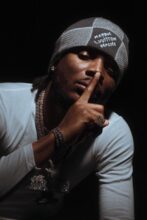
Expectations Were Already High. The reaction surrounding Forever Reign did not begin on release day. Masicka’s audience has spent years debating his catalogue and constructing lists of his strongest records, with fan discussions repeatedly highlighting songs such as “Tyrant,” “Boasty,” “Slip & Slide,” “Triumph,” “20 Matic,” “Mute,” “Update,” “Rich Sex” and earlier cuts from throughout his career.
That context matters because Forever Reign arrives before an audience that already considers Masicka’s catalogue unusually deep.
Early conversation around this album has naturally gravitated toward the records offering something beyond predictable formulas. “Oak Tree” has the ingredients to become one of those songs whose reputation grows with repeated listening, while “1 Psalm” immediately carries event-record status because of Damian Marley. “Parables,” “Breaking Chains” and “It’s Not Too Late” reward listeners looking for introspection, while “Honor Roll,” “Wicked Spell,” “AK Fire” and “Boasty” preserve the harder edge expected from a Masicka project.
That balance is critical. Fans who discovered Masicka through street records still have something to claim.
Listeners who arrived through Generation of Kings can hear progression. International listeners receive enough melodic and African influenced production to enter the album without requiring Masicka to compromise his Jamaican identity. The Production Is the Quiet Star
A major reason Forever Reign holds together is its production. The album features contributions from Dunw3ll, Dre Skull, Stephen “Di Genius” McGregor, Supa Dups, IzyBeats, Dready, Telz, Razzy and others.
Dunw3ll deserves particular recognition. Masicka and Dunw3ll have developed the type of chemistry where production increasingly feels tailored around Masicka’s vocal instincts rather than simply handed to him as finished beats. “1 Psalm” demonstrates the scale of that partnership. “Honor Roll” demonstrates its dancehall instincts. “Parables” demonstrates its emotional range. Countless records have already established their chemistry, but Forever Reign makes the partnership feel increasingly central to Masicka’s artistic identity. From 438 to Generation of Kings to Forever Reign Masicka’s album titles now read almost like chapters. 438 was deeply personal, establishing the artist’s capacity to carry a full-length project. Generation of Kings expanded the ambition. The 17-track album featured Popcaan, Dexta Daps, Chronic Law, Lila Iké, Spice, Fave and Fridayy while introducing Masicka’s Def Jam era on a larger international scale.
Forever Reign asks the inevitable next question. What happens after you become king? You try to remain one. Masicka’s own explanation of the title centres on permanence: carving out a lane, occupying it and remaining humble enough to keep progressing. The music supports that philosophy. There are certainly moments where the album could have been trimmed. Seventeen tracks require commitment in a streaming environment increasingly engineered around disposable two-minute singles.
Not every experiment carries the impact of “1 Psalm,” “Oak Tree” or “Parables.” But the breadth also serves a purpose.
Forever Reign is trying to document an artist in full rather than create seventeen versions of the same successful Masicka record.
That ambition should be encouraged.
The Verdict
Forever Reign does not need to reinvent dancehall to succeed. Masicka’s achievement is more subtle. He takes the characteristics that built his reputation, intricate rhyme schemes, unusually controlled cadence, street storytelling, menace, vulnerability and relentless ambition, and places them inside an increasingly global musical framework without stripping away their Jamaican identity. There is spirituality on “1 Psalm.” Revolutionary imagery and survival on “Oak Tree.” Soul on “Pointless.” Africa on “Shakazulu,” “G Wagon” and “Time and Place.” Women and relationships on “Spend” and “Good.” Pure dancehall energy on “Slip & Slide,” “Honor Roll” and “Boasty.” Darkness on “Wicked Spell” and “AK Fire.” Responsibility on “Breaking Chains.” And finally wisdom and perseverance on “Parables.” That range reveals the real meaning of Forever Reign. Masicka is no longer simply documenting his attempt to reach dancehall’s summit. He is documenting what it feels like to arrive there, discover the responsibilities and enemies that accompany success, and decide that reaching the top was never enough. The objective is longevity. One of the album’s most compelling recurring images is therefore the simplest: the tree. Success can grow. Success can provide shelter. Success can produce fruit for the people around you. But the higher it grows, the more visible it becomes And somebody is always preparing another arrow.
Masicka’s response throughout Forever Reign is essentially to keep growing anyway. Following 438 and Generation of Kings, his third album sounds like the completion of one phase and the beginning of another. Damian Marley standing beside him on the opening record feels symbolic. Kraff arriving later feels equally symbolic. One generation acknowledges Masicka while Masicka begins acknowledging the generation coming behind him. That is how a reign becomes more than a moment. Forever Reign is ambitious without abandoning the streets, international without disguising its Jamaican accent, and introspective without dulling Masicka’s edge.
Three albums into his career, Masicka increasingly sounds less like an artist fighting for permission to enter dancehall’s highest tier.
He sounds like someone figuring out how long he can stay there.
Album Rating: 8.7/10
Standout Tracks: “1 Psalm,” “Oak Tree,” “Shakazulu,” “Slip & Slide,” “Honor Roll,” “Cross the Waters,” “Breaking Chains,” “Parables”
Best Collaboration: “1 Psalm” featuring Damian “Jr. Gong” Marley
Best Lyrical Performance: “Cross the Waters”
Best Visual Concept: “Oak Tree”
Best Pure Dancehall Moment: “Honor Roll”
Sleeper Pick: “It’s Not Too Late”
Best Album-Cut for Longevity: “Parables”
Final Word: Forever Reign is not Masicka asking whether his time has arrived. It is Masicka making the case that his time is nowhere near finished.