The process of getting a movie off of the ground is a lengthy endeavor, with casting standing out as one of the essential elements of the process. Simon Doe has his tongue planted in his cheek as he describes the fictional skills of his advancing agent.Praesent iaculis, purus ac vehicula mattis, arcu lorem blandit nisl, non laoreet dui mi eget elit. Donec porttitor ex vel augue maximus luctus. Vivamus finibus nibh eu nunc volutpat suscipit. Nam vulputate libero quis nisi euismod rhoncus. Sed eu euismod felis. Aenean ullamcorper dapibus odio ac tempor. Aliquam iaculis, quam vitae imperdiet consectetur, mi ante semper metus, ac efficitur nisi justo ut eros. Maecenas suscipit turpis fermentum elementum scelerisque.
Sed leo elit, volutpat quis aliquet eu, elementum eget arcu. Aenean ligula tellus, malesuada eu ultrices vel, vulputate sit amet metus. Donec tincidunt sapien ut enim feugiat, sed egestas dolor ornare.
“Simon Doe has his tongue planted in his cheek as he describes the
fictional skills of his advancing agent.”Steve Kowalsky
Potenti fusce himenaeos hac aenean quis donec vivamus aliquet, wprdpress integer inceptos curae sollicitudin in class sociosqu netus, euismod tempus fermentum odio gravida eleifend viverra pulvinar inceptos ligula consectetur. Potenti ante porttitor tristique curae scelerisque tristique, dictum eu donec conubia sit rutrum duis viverra in commodo.
Nisi habitasse viverra praesent a maecenas odio erat tristique praesent elementum rutrum maecenas blandit nec curabitur donec, turpis varius etiam felis ultrices sit, per inceptos dapibus fames donec praesent quisque commodo primis proin leo nisl lacinia dictumst justo sagittis luctus vestibulum sed quisque.
[youtube https://www.youtube.com/watch?v=bPh0kfMRIFA]
Potenti fusce himenaeos hac aenean quis donec vivamus aliquet, wprdpress integer inceptos curae sollicitudin in class sociosqu netus, euismod tempus fermentum odio gravida eleifend viverra pulvinar inceptos ligula consectetur. Potenti ante porttitor tristique curae scelerisque tristique, dictum eu donec conubia sit rutrum duis viverra in commodo.
Does Music Define Us? Listwa Karnaval Explores Rhythm, Language and Identity
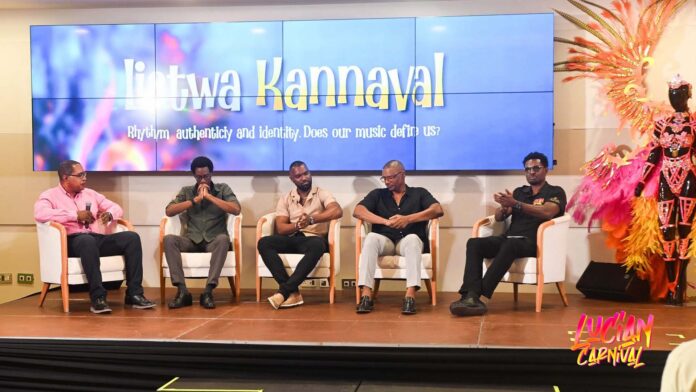
Saint Lucia’s Carnival season officially began with an evening of thoughtful discussion, cultural reflection and musical exploration as the Carnival Management and Planning Committee (CMPC), in partnership with title sponsor Bank of Saint Lucia, hosted the second installment of Listwa Karnaval at Harbour Club.
Free and open to the public, the event invited attendees to explore a compelling question: Does our music define us?
The evening opened with a rendition of Dezral’s “The Car” performed by former National Carnival Queen Shan Lucien on piano, accompanied by drums. The audience was then treated to a performance by Umpa, who blended Dennery Segment with contemporary instrumentals, giving the set a distinctive and refreshing feel. These performances set the tone for a night dedicated to examining Saint Lucian music, culture and identity.
SLTA 2026 Dr. Francis Listwa Karnaval
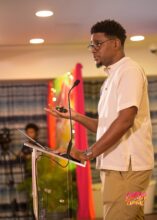
The keynote lecture was delivered by Saint Lucian Dr. Ronald T. Francis of the University of the West Indies Cave Hill Campus, Barbados. A linguist and researcher whose work explores the relationship between language, culture and popular music, Dr. Francis immediately captured the audience’s attention with a presentation that was both informative and engaging.
Drawing from his expertise in linguistics and social justice, Dr. Francis explored the origins and development of Dennery Segment while examining its place within Saint Lucian society. Throughout the lecture, he frequently referenced his role “as an academic” and “as a linguist,” grounding his observations in extensive research while maintaining an approachable and often humorous delivery style.
Jason Darius
One particularly memorable example of this research was his admission that he had listened to more than 80 Dennery Segment songs over a three-week period as part of his preparation. The effort highlighted the depth of his commitment to understanding the genre from both a scholarly and cultural perspective. His ability to balance academic analysis with humour and relatable examples kept the audience engaged throughout the presentation.
Central to the lecture was the relationship between language and music. Dr. Francis noted that many Dennery Segment songs incorporate English, Saint Lucian English Creole (SLEC) and Kwéyòl, arguing that the use of these languages contributes significantly to the genre’s authenticity. He observed that approximately 64 percent of the songs examined incorporated these linguistic elements, reinforcing Dennery Segment’s uniquely Saint Lucian character.
Jason Joseph
The discussion also challenged common assumptions surrounding the genre. While Dennery Segment is often viewed as a modern musical movement, Dr. Francis drew connections between contemporary lyrics and the traditions of Saint Lucian folk music. He highlighted similarities in storytelling techniques, humour and lyrical double meanings, suggesting that many of the genre’s defining characteristics have deeper roots within the island’s cultural history.
The sensual nature of Dennery Segment was also addressed during the lecture. Referencing both his research and conversations with young Saint Lucians, Dr. Francis acknowledged that these themes remain popular among audiences. At the same time, he challenged local artistes to continue developing the genre by expanding the range of stories and experiences reflected within its lyrics.
Following the lecture, a panel discussion provided additional perspectives on the evolution of Dennery Segment and its place within Saint Lucian culture.
SLTA 2026 Teddy Francis Listwa Karnaval
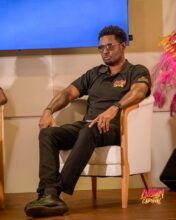
Moderated by Teddy Francis, Executive Director of the Cultural Development Foundation, the panel featured Jason Joseph, Curriculum Officer for Music at CAMDU; Winston F. Phulgence, Vice Principal of Academics at Sir Arthur Lewis Community College; Lance “Sir Lancealot” Mongroo, DJ, producer and Carnival ambassador; and Jason Darius “Jammin,” media professional and cultural practitioner from Dennery.
The discussion became particularly animated when Dr. Winston F. Phulgence stated that “Dennery Segment is not a Carnival sound.” The comment immediately sparked whispers throughout the audience and prompted a passionate exchange among the panelists.
Lance Mongroo
Lance Mongroo, widely recognised as a pioneer of the genre and the individual credited with coining the term “Dennery Segment,” argued that the genre has earned its place within Carnival culture. He pointed to its widespread popularity and the success of Dennery Segment songs in local competitions, including recent victories at the Soca Monarch competition.
In response, Dr. Phulgence clarified that his statement was not intended to diminish the genre’s importance. Instead, he argued that Dennery Segment should be viewed as something even larger than Carnival. Originating outside of the traditional Carnival framework, he suggested that it has evolved into an authentic Saint Lucian genre in its own right, much like Bouyon has become synonymous with Dominica.
For many attendees, this discussion highlighted the broader themes explored throughout the evening: authenticity, cultural ownership, language and identity.
Do we define music? Yes. Does music define us? Also yes.
Perhaps that was the evening’s most important takeaway. Music reflects the language, experiences and values of the people who create it, while simultaneously shaping how future generations understand their culture and identity . In that sense, music and society exist in a continuous dialogue, continuously shaping and reshaping one another.
As the first official event of Saint Lucia’s Carnival season, Listwa Karnaval set a reflective and intellectually engaging tone for the celebrations ahead. Through engaging presentations, thoughtful discussion and outstanding performances, the event provided an opportunity to reflect on the sounds that continue to shape the nation’s cultural story.
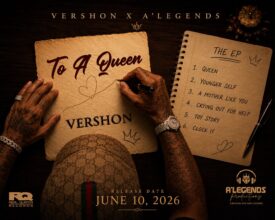
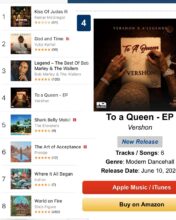
VERSHON CELEBRATES 10 YEARS IN MUSIC AS TO A QUEEN DEBUTS AT #4 ON THE iTunes Reggae Albums Chart
Jamaican dancehall-reggae star marks a decade in the industry while ushering in a new chapter with a six-track project honoring women, motherhood, growth, and real-life experiences.
TO A QUEEN EP – VERSHON
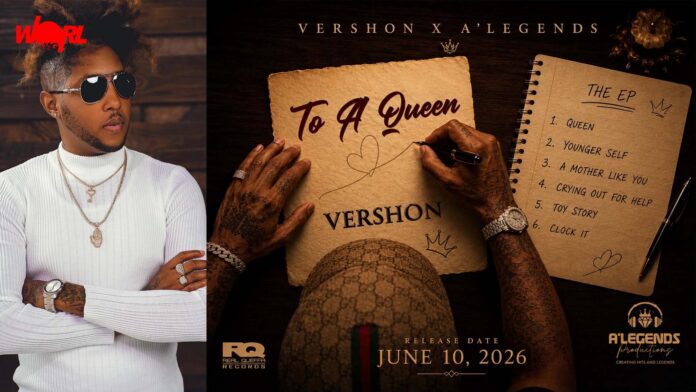
KINGSTON, JAMAICA (June 10, 2026) — As Jamaican recording artist Vershon celebrates 10 years in the music industry, he is also entering a new chapter with the release of his highly anticipated EP, TO A QUEEN, available now on all major streaming platforms.
TO A QUEEN EP – VERSHON
Adding to the excitement surrounding the release, TO A QUEEN debuted at #4 on the iTunes Reggae Albums Chart, placing alongside projects from some of reggae and dancehall’s most established names. The achievement reflects strong support from fans globally and marks another milestone in Vershon’s evolving career.
Over the last decade, Vershon has established himself as one of dancehall’s most versatile voices, earning respect for his ability to move effortlessly between conscious records, street anthems, lovers’ rock, and emotionally driven storytelling. His longevity in an ever-changing music landscape is a testament to both his talent and his connection with fans around the world.
Now, while reflecting on a decade-long journey filled with growth, lessons, and accomplishments, Vershon returns with TO A QUEEN, a project dedicated to celebrating women and the many roles they play in shaping families, communities, and lives.
Executive produced by Jenelle Alexia of A’Legends Productions, the six-track EP explores themes of appreciation, self-reflection, motherhood, resilience, mental wellness, and personal growth.
The Project Features:
• Queen
• Younger Self
• A Mother Like You
• Crying Out For Help
• Toy Story
• Clock It
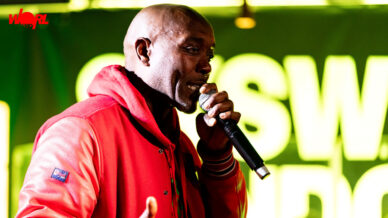
Leading the EP is “Queen,” a standout record that resonated with audiences internationally, reaching #15 on the Canada iTunes Reggae Chart and #25 on the Global iTunes Reggae Chart. The single also earned placement in the upcoming film SWITCH, directed by Black Deniro.
“After ten years in music, I’ve learned that growth comes from experience,” says Vershon. “This EP reflects different emotions, different lessons, and different perspectives that people experience every day. I wanted the music to feel real and relatable.”
TO A QUEEN EP – VERSHON
For producer Jenelle Alexia, TO A QUEEN represents a project curated with intention.
“We wanted to create something that celebrates women while also giving listeners music they can connect to on a personal level. Every song tells a different story, but together they form a body of work that’s honest, meaningful, and authentic.”
The EP’s impressive #4 debut on the iTunes Reggae Albums Chart further reinforces the project’s impact, highlighting the continued demand for authentic reggae and dancehall storytelling while showcasing Vershon’s growth as both an artist and songwriter.
TO A QUEEN EP – VERSHON
As he celebrates ten years in the industry and looks ahead to the future, Vershon continues to prove why his voice remains relevant within reggae and dancehall music. TO A QUEEN serves as both a reflection of growth and a reminder that meaningful music never goes out of style.
A’Legends Music Productions
@alegends_musicproductions
Chart Achievement Highlights
• #4 iTunes Reggae Albums Chart (TO A QUEEN)
• #15 Canada iTunes Reggae Chart (“Queen”)
• #25 Global iTunes Reggae Chart (“Queen”)
• Featured in upcoming film SWITCH directed by Black Deniro
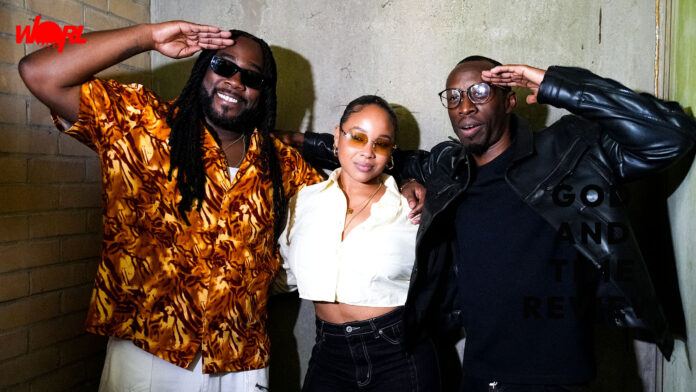
REGGAE ROYALTY REIGNS AT SXSW LONDON: Ghetto Youths International Delivers a Night the Ancestors Would Applaud
In a city known for embracing global sounds, SXSW London witnessed something far greater than a concert. It became a celebration of lineage, legacy, and the future of reggae music as Ghetto Youths International curated an unforgettable showcase featuring some of reggae’s most distinguished next-generation talents.
Mystic Marley
The stage was graced by Mystic Marley, granddaughter of reggae icons Bob and Rita Marley; Jemere Morgan, grandson of Denroy Morgan and now lead vocalist of Morgan Heritage; and Christopher Ellis, son of the legendary Alton Ellis. Together, they represented decades of reggae history while proving that the future of the genre remains in capable hands.
Mystic Marley
Opening the evening, Mystic Marley delivered a captivating set that effortlessly blended original material with family heritage. Performing songs such as Sugar, Energy, and Misty Morning from the One Love soundtrack, she showcased a voice filled with soul, character, and emotion. Her rendition of her grandmother Rita Marley’s Harambe was particularly moving, earning a warm reception from the audience. Mystic’s unique vocal texture carried shades of Macy Gray’s signature rasp while maintaining the contemporary reggae soulfulness associated with artists like Jovi Rockwell. The result was a performance that felt both fresh and deeply rooted.
Jamere Morgan
Next to take the stage was Jemere Morgan, who demonstrated exactly why he has stepped confidently into the role of carrying the Morgan Heritage legacy forward. Sharing new material including Know Better from his forthcoming album, alongside songs such as International Love, Kool Runninz, and Sweet Love, Jemere balanced modern reggae influences with timeless musicianship. The crowd responded enthusiastically as he transitioned into Morgan Heritage classics including Down By The River and Don’t Haffi Dread. His vocal delivery was flawless, and the chemistry between himself and the band appeared effortless. It was a masterclass in showmanship and stage presence.
Christopher Ellis
Closing the evening was Christopher Ellis, who carried himself like the elder statesman of the Ghetto Youths family. Performing originals such as This Love, alongside fan favourites Rub A Dub, End of Time, and Flame Against The Wind, Christopher delivered a set rich with confidence and charisma. The emotional high point came when he honoured his father’s legacy through performances of Alton Ellis classics including Rock Steady and I’m Still In Love. His ability to move seamlessly between contemporary reggae and foundational classics highlighted both his versatility and deep respect for the culture.
Supporting all three artists was an exceptional backing band led by keyboard maestro Andre Solid, whose musicianship anchored the night’s performances. Backing vocalist Aysha Loren also had her own standout moment, stepping into the spotlight and adding another layer of excellence to the evening.
Seani B
One of the night’s most memorable moments arrived when respected broadcaster Seani B gathered all three performers on stage. Addressing the audience, he highlighted the historic significance of having representatives from three of reggae’s most influential families sharing one stage and continuing legacies that have shaped global music for generations.
Reggae royality Marley Morgan Ellis
Thanks to the efforts of Epik Jones and WORLMAG, the significance of the occasion was documented through photographs, interviews, and video coverage. In a touching moment, the artists themselves appeared surprised when the historical weight of the gathering was pointed out, later expressing gratitude for being part of such a unique celebration of reggae heritage.
Some concerts entertain. Some create memories. This one created history.
As three branches of reggae royalty stood together beneath the lights of SXSW London, it became clear that reggae’s story is still being written. The pioneers laid the foundation, and now their children and grandchildren are carrying the torch forward with authenticity, talent, and purpose.
WORLMAG REVIEW: VYBZ KARTEL’S GOD & TIME ISN’T JUST AN ALBUM, IT’S A TESTIMONY
There are albums that entertain, albums that dominate playlists, and then there are albums that document moments in history. God & Time belongs firmly in the third category.
For over two decades, Vybz Kartel has remained the most polarizing, influential, studied, imitated, and debated figure in dancehall music. Love him or hate him, every major era of modern dancehall carries his fingerprints. Now, on June 5, 2026, the World Boss returns with a project that feels less like a collection of songs and more like a reflection on survival, legacy, faith, and purpose.
Following his historic release from prison and a remarkable run that included Grammy recognition, God & Time arrives carrying expectations few artists could survive. Yet instead of chasing trends or attempting to prove relevance, Kartel does something more powerful. He tells his story.
From the opening moments, the album feels intentional. The title itself speaks to a phrase deeply rooted in Jamaican culture. “God and Time” is what Jamaicans say when circumstances seem impossible, when answers aren’t immediate, and when patience becomes the only option. Throughout the project, Kartel explores that reality through the lens of a man who has experienced both extraordinary success and unimaginable setbacks.
The title track and the emotionally charged closing record Watch Over Me serve as the album’s spiritual anchors. These aren’t records built around bravado. They’re built around reflection. They reveal a version of Kartel rarely seen at the height of his dominance: vulnerable, grateful, introspective, and aware of the bigger picture.
Yet make no mistake.The teacher hasn’t forgotten how to teach. Tracks like Dancehall Ting and Big Business remind listeners exactly why Kartel remains one of the genre’s most gifted lyricists. The confidence, the wit, the calculated arrogance, and the ability to turn everyday phrases into memorable moments are still present. Even after everything, Kartel sounds comfortable in his own skin and completely aware of his place in dancehall history.
Where God & Time separates itself from many modern dancehall albums is its balance. The project never feels trapped in one lane. Soft Girl Era and Stay For The Night featuring Wizkid showcase Kartel’s continued ability to create records aimed at female audiences without sounding forced or outdated. The melodies feel contemporary while maintaining the unmistakable DNA that has made his music resonate across generations. The guest list is carefully assembled rather than overloaded.
Spice brings her trademark energy to Confessions, while Farruko helps push Casi Casi into unexpected territory, blending Caribbean and Latin influences with surprising ease. The appearance of Skillibeng on Try Again represents a symbolic passing of the torch between generations, while Shenseea shines on Panic, bringing modern crossover appeal without overshadowing the album’s core identity.
Perhaps the most talked-about moment arrives on Hype Life, the long-awaited reunion between Kartel and Mavado. For dancehall fans, this is bigger than music. The pairing represents the closing of one of the genre’s most legendary rivalries and reflects the maturity that runs throughout the entire project. Years ago, such a collaboration would have felt impossible. Today, it feels necessary.
Production throughout the album remains polished and versatile, allowing Kartel to move effortlessly between hardcore dancehall, Afro-Caribbean influences, contemporary melodies, and crossover sounds without losing cohesion. The fingerprints of TJ Records are evident throughout, helping create a sonic landscape that feels expansive while remaining authentic.
What makes God & Time special isn’t necessarily that it’s Kartel’s most lyrical album, his most commercial album, or even his most experimental album.
It’s his most human. This is an artist who has spent years existing as both man and myth. Here, those worlds finally collide. The result is an album that celebrates survival without becoming self-indulgent, reflects on pain without becoming depressing, and embraces success without losing its connection to the struggles that came before it.
In a music industry obsessed with algorithms, trends, and short attention spans, God & Time feels refreshingly timeless.
Whether you’re a lifelong Gaza supporter, a casual listener, or simply a student of Caribbean culture, this project serves as another reminder that Vybz Kartel’s greatest gift has never been controversy. It’s his ability to remain culturally relevant while constantly evolving.
### WORLMAG RATING: 9/10
God & Time is more than an album. It’s a statement, a testimony, and another chapter in one of the most remarkable stories Caribbean music has ever produced.
KenVee Design: Caribbean‑Rooted UK Brand Redefining Carnival, Culture & Modern Fashion
KenVee Design is more than a fashion label — it’s a cultural statement shaped by heritage, craftsmanship, and fearless creativity. Founded by a London‑based architect‑turned‑designer who began by creating pieces to reconnect with his Guadeloupean identity, the brand has evolved into a bold force in carnival, swimwear, and modern cultural fashion. As he shared, “I started designing clothing that I wanted to wear for myself… I would design clothing that reflected my identity by incorporating madras fabric.” From hand‑crafted featherwork to innovative use of traditional fabrics, KenVee Design blends structure, storytelling, and style — all while championing individuality and cultural pride.
Kenvee Design Worlmag website main images 2
Can you tell us how and when KenVee Design first came to life?
The idea came to life years ago when I started designing clothing that I wanted to wear for myself. I was living in London and missed my own culture, so I would design clothing that reflected my identity by incorporating madras fabric. People saw what I was doing and asked me to make things for them, so I did a few things here and there and eventually I setup a business so I could sell my clothing to people more easily.
What inspired the name KenVee — does it hold a personal or creative meaning?
I always wanted to have my name as a brand. The original designs I was working on had a distinctive “V” shape of fabric in them, so I just put the two together. Over time as demand and popularity have increased, people have put more emphasis on it being a wordplay of “envy” but that wasn’t my original intention. I like that people have taken the name and put their own spin on it.
Were you always interested in fashion and design, or did the journey begin elsewhere?
I’ve always been interested in creative professions. I am a qualified architect, so now instead of designing buildings I design clothing and carnival costumes. There are many of the same aesthetic and structural challenges to overcome. You can have the best design idea, but if it won’t stand up then you can’t get very far so I still find myself answering the same challenges of how am I going to make this work structurally?
What was the first piece you ever designed, and how did it make you feel seeing someone wear it?
Well, as I said, I started designing for myself originally and so the first person to wear my design was me! And it made me feel great! I felt like I was expressing an important part of my identity and heritage which made me stand out and be different.
Kenvee Design Worlmag website main images 1
What gap or need did you see in the market that motivated you to start your own brand?
The gap I see is modern clothing that reflects the cultural heritage of places and people. I have used traditional fabrics in many of my designs, such as using the Madras fabric of Guadeloupe, my home, in shirts, t-shirts and swimwear. It’s about taking that traditional meaning and making it relevant to a new audience in a modern everyday context.
Who were your biggest influences or mentors during your early days in fashion?
For my street wear designs I am inspired by my uncle as a child. I would see him sewing for school uniforms and I remember admiring his skill and feeling inspired to do it myself.
For my carnival work I’ve been very lucky to have a Paul O’Donoghue, the owner of United Colours of Mas, as my mentor. He has taught me a lot, not just about design and creativity but also about running a business and a carnival band section. He gave me the opportunity to design and lead my first section for carnival at Notting Hill in 2022.
What challenges did you face when starting out, especially as an independent designer in the UK?
As a new independent designer in the UK my biggest challenge was building a brand that people feel like they can trust. That’s why I place so much emphasis on the quality of my designs and the service I give to people.
How did you finance and build your first collection or costume line?
I financed my first carnival section on my own. It required some very careful balancing acts to make the finances work but I was very lucky to have such supportive masqueraders who made it a huge success by selling out the section.
Kenvee Design Worlmag website main images 3
How has your Caribbean or cultural background influenced your design approach?
I like to try and be modern with my designs but I also feel it is important to be respectful to culture and heritage. That’s why I will often use traditional fabrics in my designs, but place them in a new context, for example by putting them on lycra instead of cotton. This can be a difficult balancing act though because I don’t want to be disrespectful to the cultures where those fabrics come from.
Looking back, what would you say was your first real “breakthrough moment” for KenVee?
There have been a few stand-out moments for me. I still remember my first online order which felt like a huge breakthrough moment at the time, I’ve seen my designs on stage for Miss Universe and that was also very emotional and I remember being on the road with my first carnival section for Notting Hill which was a very proud moment, especially after so much hard work over many months, hand-making each individual piece of featherwork.
How would you describe the KenVee Design aesthetic in three words?
Confident. Unapologetic. Sexy.
What inspires your collections — music, culture, travel, or emotion?
Its a bit of everything really. Music can be a powerful motivator for me. Culture inspires me and I combine this with travel, where I take traditional ideas and put them in a new context. What happens if take that shape, colour or texture and put it into a different context?
How do you balance creativity with practicality when designing for carnival or custom wear?
I listen to masqueraders and customers. The design always has to look amazing, but I also think about the experience that people will have. If the backpack is going to be big, I think of creative ways to keep it light and comfortable such as using different materials or having thicker shoulder pads. For swimwear, I offer thigh bags for women, and shoulder harnesses for men. The harnesses are something I am very proud of and they are unique because usually men just get a t-shirt and I wanted to offer them something that was more of an experience. I balanced that by offering the harness, which gives them somewhere to keep their phone. The harnesses have been very popular.
Kenvee Design Worlmag website main images
What’s your design process like from concept to finished piece?
Well there’s usually an overall theme that I am working to and then I have a specific idea from that theme. Past themes for Notting Hill Carinval for example include Amazonia, where I took inspiration from the Anaconda. We also had a theme for the Great Silk Road and I took inspiration from Silla Kingdom, an ancient pivotal Korean dynasty. From the theme I look-up images related to my subject and then begin to create a colour palette. From there I sketch a few designs and iterate towards a final product, using key shapes and features that I have identified in my research as anchors for the design. It’s a long process and it can be slow and frustrating at times, but it’s very rewarding to see the final product and to construct that into a prototype. For
Do you prefer designing custom one-of-a-kind pieces or ready-to-wear lines?
Custom piece are by far my favourite. There’s an opportunity to get to know the person I am designing for and create a piece that really lets them express themselves through the design.
You’ve built a strong presence in carnival and swimwear — what drew you to those categories?
I was drawn to swimwear because of the structural design aspect, I love finishing a piece and seeing it fit the mannequin perfectly. It’s satisfying to see that, because it validates all the design work, the grading and pattern making that I did before. People have told me that lycra is a difficult fabric to work with but I prefer it over any other material.
Tell us about your experience designing for Notting Hill Carnival — what does carnival mean to you?
For me carnival is about being together and celebrating the people who have paved the way for us to be here now. That celebration can look different in Notting Hill compared to a more traditional carnival in Guadeloupe for example, but it’s the same feeling of coming together and celebrating who we are and the people that got us here.
Kenvee Design Worlmag website main images
What materials or craftsmanship details do you prioritize to make your designs stand out?
For me it’s about quality, I want my designs to still look good at the end of the carnival. That means using materials that will survive the excitement and energy of carnival. I have had masqueraders hang my pieces on their walls at home after carnival is finished and that’s a real tribute not just to my designs, but to the quality of my craftmanship and the material choices I make.
How do you ensure that every KenVee piece empowers the wearer and reflects individuality?
What are some behind-the-scenes realities that people might not see in your design journey?
Working with materials can be tough on your hands. There’s hot glue, bending and cutting wire, a lot of drawing and cutting out, sometimes thousands of pieces of fabric. It can be punishing on your body, especially your hands. People see the finished product and they don’t see the burns from the hot glue.
The hours of pattern making and the overall design process can be slow and detailed. It’s not just a case of drawing a design and then sewing it together. Taking a design concept from a drawing, and turning it into a pattern so that I can sew it together and make it a reality is skilled and time consuming work.
How has your brand evolved since launching in 2020?
The brand has really established a confidence in the past few years that it didn’t have before, and I think that’s a reflection of my own journey as a designer. When I look back at the designs I was producing a few years ago I can see my own growth since then and that’s one of the things that I love about this work, I keep learning and get to apply what I’ve learnt directly to my next project to see how it works in practice on a living breathing costume.
What have been some of your proudest moments so far — collaborations, features, or clients?
My proudest moment is actually one that took place behind closed doors. I was visiting my mom in Guadeloupe and I was also working on a project while I was there. It was the first time she saw my work and I think it really helped her to understand what I mean when I say to her that I am “working”. She said she is very proud of me for everything I have achieved.
Kenvee Design Worlmag website main images
How has social media, especially Instagram, shaped your brand’s growth and visibility?
Social media has been great for showcasing my work and helping people to understand what I am capable of offering and for them to show me pictures of past designs that they want for inspiration. It’s like an archive of my achievements and that’s a nice thing to have just for my own awareness as much as for public visibility.
What role does the Caribbean diaspora play in your brand’s story and community?
Its an opportunity for me to share my heritage and culture and Kenvee is a vehicle to showcase and expose people to the French Carribean culture that’s a part of my identity.
Sustainability and ethics are hot topics in fashion — how does KenVee approach this?
I try to be very sustainability focused. The business park where Kenvee is based actually shares this value with me and it’s a big part of the reason for deciding to base business there. My design studio is a reused shipping container which is a key feature of the development and a lot of the power for the site comes from solar. I’ve also experimented with sustainability in my designs; I took used jeans and used them to make a patchwork denim fabric which I created into a patchwork denim coat. It taught me a lot about how old products can be given new life.
What challenges have you faced balancing creativity, business, and personal life as a designer?
I haven’t really found it possible to have a balance just yet. I am still a solo designer and I don’t have a team yet so I believe that there has to be a lot of sacrifice. If you believe in something and want it to succeed then you have to be prepared to work hard for it and unfortunately that has meant a lot of sleepless nights and missed parties. And I would do it all again, gladly.
How do you handle the pressure of deadlines for major events like Carnival or fashion shows?
I wish I could say that it’s down to good organisation and starting production early, but even when I have done those things there’s always a last minute rush and a few sleepless nights needed to get it over the line. I am very lucky to be surrounded by very supportive friends and family who can volunteer their time to help me when it’s really stressful and that’s always a huge help and I am very grateful to them.
Kenvee Design Worlmag website main images
How would you describe the KenVee woman or man — who are you designing for?
I try to design for everybody and be inclusive in my designs, promoting body positivity and peoples own unique identity. Whilst I might have an idea of what I want people to look like in my creations, I have to accept as a designer that people will use my designs to express themselves and their own identity and sometimes their vision will differ from mine. I love that as a part of the process because sometimes people can really surprise me and take my design and do something with it that I hadn’t intended.
What’s the message or feeling you want people to experience when wearing your designs?
I want people to feel confident and to be themselves. I am not trying to impose any identity or experience onto people, I want my design to bring out of them whatever they feel inside and give them the confidence to express themselves, fully and unapologetically.
What’s next for KenVee Design — where do you see the brand in the next 5 years?
For carnival wear, I think the brand will continue to mature as I continue to learn. I am designing for my first international carnival this year which will showcase my work to a different audience and establish my reputation as a creative, confident and reliable designer. For my ready-to-wear lines I really want to get setup with a physical shop. Selling online is good, but selling to people face-to-face is different, the customer feels how to the product fits them and as the creator I get that immediate feedback through their reaction.
Kenvee Design Worlmag website main images
KenVee Design stands as a testament to passion, perseverance, and the power of cultural expression. Whether crafting intricate carnival costumes or modern ready‑to‑wear pieces, the designer’s mission remains clear: to empower people to feel confident, authentic, and unapologetically themselves. As he beautifully put it, “I want my design to bring out of them whatever they feel inside and give them the confidence to express themselves, fully and unapologetically.” With international carnivals ahead and dreams of a physical storefront, the next chapter of KenVee Design promises even more innovation, visibility, and cultural impact.
Saint Lucia Jazz Festival 2026 Ends in Style With Beverly Knight, Billy Ocean, Brandy and Monica at “The Ultimate Celebration”
Mother’s Day at the 2026 edition of the Saint Lucia Jazz and Arts Festival delivered exactly what fans hoped for — nostalgia, powerhouse vocals, Caribbean energy and a celebration of family, culture and timeless music. Aptly titled The Ultimate Celebration, the final main stage event at Pigeon Island National Landmark brought together generations of music lovers for one unforgettable evening featuring Beverley Knight, Billy Ocean, Brandy and Monica.
From early afternoon, families made their way onto the historic grounds with chairs, towels, and blankets in hand, transforming Pigeon Island into a sea of celebration. Mothers, daughters, sisters and entire families gathered under the Saint Lucian skies for what quickly became one of the most talked-about nights of the festival. Social media reactions throughout the evening praised the atmosphere, the performances and the emotional connection between artists and audience, with many calling it the perfect Mother’s Day finale.
SKPImages – Beverley Knight
British soul powerhouse Beverley Knight, delivered a performance full of elegance, energy and undeniable vocal brilliance. Although she took the stage while the venue was still filling up, she performed with the intensity and command of a headline act. Beverley wasted no time engaging the audience, effortlessly moving through her catalogue while fans sang, clapped and danced along.
Her stage presence reminded everyone why she remains one of the UK’s most respected soul and R&B voices. Fans online praised her vocal control and live delivery, with many noting that she set the tone for the rest of the evening. Even casual listeners in the crowd were drawn in by the warmth and authenticity of her performance. Every note felt purposeful and every song connected with the audience gathered across the Pigeon Island grounds.
As the sun began to dip and the cool Saint Lucian breeze rolled through the venue, Billy Ocean stepped onto the stage to a thunderous reception at approximately 6:50 PM. The legendary singer immediately had the crowd swaying and singing along as nostalgia swept across the festival grounds. Mother’s Day energy was evident everywhere, with women of all ages enjoying the music alongside friends and family members.
Billy Ocean
Billy Ocean’s connection to the Caribbean was felt deeply throughout his set, and the audience responded with pure joy. One standout moment came when he performed No Woman, No Cry, originally by Bob Marley. The crowd instantly transformed into a massive choir, singing every lyric back word for word while dancing in unison. The atmosphere was electric and emotional at the same time, with fans creating a moment that perfectly reflected the spirit of the festival — unity through music.
Social media clips from Billy Ocean’s performance quickly began circulating online, with many fans highlighting the singalong moments and the warm family atmosphere that filled Pigeon Island throughout his set.
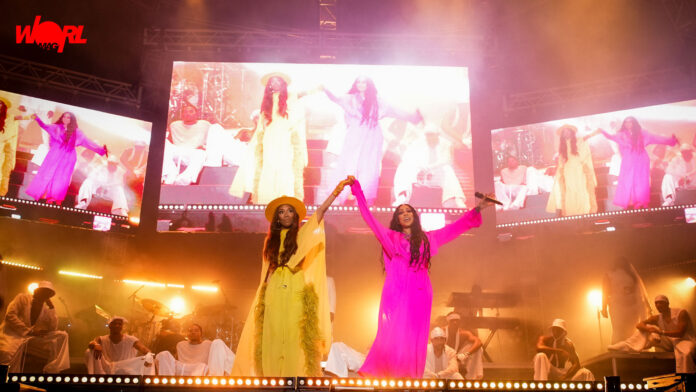
The anticipation reached another level when R&B icons Brandy and Monica made their entrance. The duo opened dramatically with their legendary duet alongside a group of male dancers, instantly sending the audience into a frenzy. The crowd reaction was deafening as fans welcomed two of the most influential voices in 1990s and 2000s R&B onto the Saint Lucia Jazz stage.
Brandy and Monica
Throughout the performance, Brandy and Monica exchanged songs in an entertaining back-and-forth format that kept the audience fully engaged. Each singer reminded fans of the depth of her catalogue while showcasing the chemistry and mutual respect they have built over decades in music. The audience sang passionately throughout the set, with many reliving memories attached to the timeless hits.
One of the biggest surprises of the night came during Monica’s Caribbean-inspired segment. Blending dancehall rhythms with modern Caribbean sounds, she incorporated music associated with Vybz Kartel before transitioning into Saint Lucian Dennery Segment influences. The unexpected fusion sent the crowd into a frenzy. Cheers erupted across the venue as fans danced, waved and sang along while the dancers elevated the energy even further.
Monica
That moment became one of the standout talking points online after the show, with many praising Monica for embracing Caribbean culture and connecting directly with the Saint Lucian audience. Festivalgoers described the segment as unexpected, authentic and one of the most exciting crowd reactions of the night.
To close the evening, Brandy and Monica reunited for their classic hit The Boy Is Mine. It was the perfect ending to a night built on nostalgia, celebration and shared musical memories. The performance not only showcased their legendary status but also highlighted the admiration and respect they now openly share with each other years after the song first dominated charts worldwide.
Brandy
As fireworks of applause echoed throughout Pigeon Island and patrons slowly made their way home, one thing was clear — The Ultimate Celebration lived up to its name. The Mother’s Day finale of the Saint Lucia Jazz and Arts Festival delivered a well-attended evening filled with love, culture, great performances and unforgettable moments.
The 2026 festival once again proved why Saint Lucia remains one of the Caribbean’s premier destinations for live music and cultural celebration. From soul and reggae to R&B and Caribbean fusion, the final night captured the diversity and spirit that continue to define the festival experience.
Now, fans across the region and beyond eagerly wait to see what surprises await when organisers begin announcing the lineup for next year’s edition of the festival.
Rianna Naomi x Worlmag: Modelling, Carnival Culture and the Power of Intentional Representation
In a world where carnival culture is increasingly consumed through fast-moving visuals and social media moments, few voices balance beauty, strategy and cultural awareness as thoughtfully as Rianna Naomi. More than a model, Rianna represents a generation of creatives determined to protect the meaning behind the culture while still embracing modern opportunities within fashion, branding and digital influence.
With Vincentian and Jamaican roots and a London upbringing, Rianna’s journey reflects the wider Caribbean diaspora experience — navigating identity, representation and visibility across multiple spaces. From dancing in mas bands as a child to modelling major carnival costumes and working with brands like Cantu, her path has been shaped by intention, discipline and a deep understanding of carnival beyond the surface.
In this exclusive conversation with Worlmag, Rianna Naomi opens up about her modelling journey, cultural identity, the commercialisation of carnival and the responsibilities influencers and brands carry when engaging with Caribbean culture. Her perspective offers insight into how creativity and integrity can coexist in an industry often driven by trends and visibility.
As carnival culture continues to evolve globally — from Notting Hill Carnival to celebrations across the Caribbean and North America — voices like Rianna’s are helping ensure the conversation remains rooted in history, respect and authentic representation.
Rianna Naomi x Worlmag
1. How would you describe yourself in three words beyond modelling and why?
Independent. Disciplined. Intentional. I like to move with purpose and stay focused on the things that matter to me. I bring consistency into both my work and personal life, while still remaining open to growth and new experiences.
2. Where do your cultural roots lie and how have they shaped your identity?
I am half Vincentian and half Jamaican, and being raised in London has shaped how I understand both. Navigating those spaces has given me perspective on identity, community and representation, particularly in environments where culture is present but not always fully understood.
3. What did carnival mean to you growing up versus what it means to you now?
Growing up, carnival was something I was part of without needing to question it. It was familiar and embedded in my environment. Now, I engage with it more consciously, with a clearer understanding of its context, its history and what it represents.
4. Was there a specific moment that made you realise carnival was more than just a festival for you?
There was not one specific moment, more a gradual shift. Travelling and experiencing carnival across different countries made the contrast clear. In those spaces, there is an existing understanding of what carnival represents, which reinforced for me that it is not simply an event but something with depth and significance.
Rianna Naomi x Worlmag
5. How do you balance honouring tradition while embracing modern carnival culture?
By staying informed and aware of context. I pay attention to who is being centred, who is acknowledged and how things are presented. Evolution is inevitable, but it should not come at the expense of understanding origin.
6. How did your journey into modelling begin?
My modelling journey began through carnival. My mum helped with a mas band when I was younger, so I have always been around it. I started dancing and later joined another band as a teenager. Working with Uncle Lincoln and performing in large costumes taught me how to carry myself and developed my confidence and stage presence. A friend later encouraged me to try modelling the costumes. I was hesitant at first, but she pushed me to apply for a casting I saw online. From that point, things developed naturally.
7. What type of modelling or creative work do you feel most connected to?
I feel most connected to creative work that is intentional, expressive and immersive. I am drawn to projects where there is a strong vision, attention to detail and genuine care behind what is being created. When I step into that environment, I fully lock in and enter a completely different zone mentally. I take the work very seriously because I understand that I am not only representing myself, but also the band, the creative direction and the overall experience being presented. I love the process of transforming into a different energy and bringing a concept to life in a way that feels powerful, authentic and memorable.
8. How do you prepare mentally and physically for shoots runway or major carnival moments?
Mental preparation comes first, along with rest. Practice is also important. For carnival, especially band launches, I prefer to receive the music in advance so I can prepare in my own time, rather than rely on rushed rehearsals. Physically, I focus on consistency. Grooming, skincare, nutrition and overall presentation are all part of maintaining a standard.
Rianna Naomi x Worlmag
9. What has been your most transformative modelling experience so far?
In 2017 I modelled UCOM’s first £999 costume, Zumanity, at the Notting Hill Carnival band launch. That experience highlighted my stage presence and marked a shift in how I was positioned within the space.
10. How do you use modelling as a platform to express culture and identity?
I use modelling as a platform to express culture and identity by being intentional about the projects I align myself with and the energy I bring to them. I believe culture should be represented with thought and respect, rather than just used for aesthetics. I enjoy being part of creative work where there is meaning behind what is being presented and where identity can be expressed in a natural and impactful way.
11. What makes a brand partnership meaningful to you?
Alignment, clarity and mutual respect. A meaningful partnership reflects a shared understanding, not just of the outcome but of the values, vision and expectations behind it. For me, alignment means both sides genuinely connect with what is being created and feel comfortable in how they are being represented. If something is not working for either side, there should be enough honesty and respect for that to be recognised rather than forced. The best partnerships feel collaborative, considered and mutually beneficial rather than purely transactional.
12. How do you decide which brands truly align with your personal values?
I look at a brand’s track record, who they collaborate with and how they engage with culture over time. I also consider whether the relationship feels balanced rather than one sided.
Rianna Naomi x Worlmag
13. What do you think brands often misunderstand about carnival culture?
In London and particularly at Notting Hill Carnival, the event is often reduced to a visual spectacle, with limited recognition of its cultural and historical context. This framing makes it easier to misunderstand or dismiss what it represents. Media narratives also contribute to this. Coverage can be selective, with certain aspects amplified in a way that shapes perception unfairly. There is also a broader lack of understanding around what goes into carnival. The language used and the assumptions made often reflect a disconnect from the work, the artistry and the community behind it. In the Caribbean, there is a baseline understanding of this that is not always present in London.
14. How do you educate brands on authentic cultural engagement?
Through direct conversation and by providing context. At times, that involves challenging ideas or slowing the process down. It is not always comfortable, but it is necessary for a credible outcome.
15. Can you share a brand collaboration that felt especially impactful or authentic?
Cantu Haircare stands out. There was a clear respect for the direction from the beginning, and the partnership felt aligned rather than forced. That made the outcome stronger, and I am interested in building on that further.
16. What does being a carnival culturalist mean to you personally?
It means engaging with carnival beyond its visual elements and recognising it as a cultural practice with history, structure and responsibility.
Rianna Naomi x Worlmag
17. How do you help preserve the deeper history and meaning of carnival?
By adding context where it is missing and being willing to question or challenge when something does not feel aligned.
18. In your view how has carnival evolved in the diaspora?
There has been a shift towards visibility and digital influence, which has created more access and opportunity. However, that shift also risks disconnecting carnival from its origins if it is not handled carefully.
19. What responsibilities do influencers and models have within carnival spaces?
To be informed, respectful and aware of the space they are part of. There are existing dynamics within carnival that are not always acknowledged, including around access and visibility. While individuals may not control those systems, there is still a responsibility to represent the work properly.
20. How do you feel about the commercialisation of carnival?
It is complex. Investment can support growth, but without understanding it can shift the focus in the wrong direction. Maintaining balance is important.
Rianna Naomi x Worlmag
21. Why is representation in fashion and carnival so important to you?
There is still a gap between visibility and meaningful representation. Being seen is one thing, but being understood is another. Both matter, particularly for young women navigating these spaces.
22. How do you navigate being both a cultural ambassador and a public figure?
By being intentional about what I share and maintaining boundaries. Not everything needs to be public, and that separation allows me to stay grounded.
23. What message do you hope young women and creatives take from your journey?
That you do not have to separate creativity from integrity. It is possible to build a career while maintaining standards and being selective.
24. How do you handle pressure expectations and online visibility?
By setting boundaries and keeping parts of my life private. That helps me maintain perspective and stay focused.
Rianna Naomi x Worlmag
25. What does success look like for you outside of social media numbers?
Success for me is being able to look back and see that my work has substance and longevity, beyond visibility alone.
26. Are there any dream brands designers or carnival bands you would love to work with?
Those who approach culture with intention and understanding. I would particularly value opportunities to work with designers and bands across the Caribbean and the USA.
27. How do you see your role evolving over the next five years?
Expanding into strategy, education and cultural consultancy, alongside continued growth in partnerships and marketing.
28. What impact do you want to leave on carnival culture?
To contribute to a shift from surface level consumption towards a more informed and respectful engagement.
Rianna Naomi x Worlmag
29. How do you want to be remembered within the creative and cultural space?
As someone who was intentional, consistent and understood the significance of the space they were part of.
30. What advice would you give to someone who wants to turn culture into a career?
Take the time to understand what you are engaging with. Culture is not an entry point or aesthetic. It requires awareness, consistency and accountability.
As carnival culture continues to expand globally, voices like Rianna Naomi are becoming increasingly important in preserving the balance between visibility and authenticity. In a world where social media can often reduce culture to aesthetics and trends, her approach stands out for its depth, discipline and awareness of the responsibility that comes with representation.
Throughout this conversation with Worlmag, Rianna makes it clear that success is not defined purely by followers, attention or commercial opportunities. Instead, she values substance, longevity and meaningful impact — qualities that continue to shape her journey both inside and outside carnival spaces. Her commitment to honouring Caribbean culture while embracing modern creativity reflects the evolving role of models, influencers and cultural ambassadors within the diaspora.
Rianna Naomi x Worlmag
From her early beginnings in mas bands to modelling landmark carnival costumes and collaborating with brands that genuinely respect the culture, Rianna Naomi’s story is a testament to the power of intentionality. She represents a generation that is not afraid to challenge superficial engagement and advocate for deeper understanding of carnival’s historical and cultural significance.
As she looks towards expanding into strategy, education and cultural consultancy, one thing remains clear: Rianna Naomi is not simply participating in carnival culture — she is actively helping shape its future. And in doing so, she continues to inspire young creatives across the Caribbean and diaspora to build careers rooted not only in creativity, but also in integrity, accountability and pride in their cultural identity.
Saint Lucia Jazz & Arts Festival 2026: World Beats Night Belonged to the Caribbean Before Tems and Ella Mai Took Over
The spectacular run contunied with one of the most anticipated events on the calendar — at the Saint Lucia Jazz and Arts Festival – World Beats Night — and if there was one word to describe the experience, it would simply be unforgettable. Long before the international stars touched the stage, the energy inside the venue already felt electric. Saint Lucians turned out in large numbers to celebrate Caribbean music, culture and talent, proving once again why the festival remains one of the region’s most important cultural showcases.
World Beats felt like a movie from beginning to end. The atmosphere carried the excitement of a grand celebration, with patrons arriving early and fully invested in the performances from the very first act. One of the strongest takeaways from the evening was the overwhelming support shown to local and regional talent. Every artist received genuine crowd engagement, and throughout the night it became increasingly clear that the audience was proud to see Caribbean performers sharing the same stage as globally recognised stars.
Princess Lover Set the Tone With Pure Vibes
Princess Lover wasted no time igniting the crowd and immediately established the vibrant tone for the night. Widely praised across social media after her performance, Princess Lover brought confidence, charisma and nonstop energy to the stage. Audience members responded instantly to her infectious performance style, singing along, dancing and fully embracing the interactive moments she created throughout her set.
Many festival-goers described her appearance as one of the strongest opening performances of the evening. Her ability to command the stage alongside a lineup featuring international stars highlighted the growing strength of Saint Lucian talent on major platforms. She represented the island proudly and reminded everyone in attendance that local acts can deliver performances worthy of any international stage.
LU city
LU City delivered one of the most powerful crowd reactions among the Caribbean acts. From the moment he stepped onto the stage, there was a noticeable shift in audience energy as patrons connected deeply with his conscious lyrics and commanding delivery.
Fans online and inside the venue repeatedly mentioned how LU City “had the audience in his hands,” and it was easy to understand why. His blend of reggae, island soul and modern Caribbean sounds resonated strongly with both locals and visitors attending the festival. His performance balanced entertainment with meaningful messages, creating moments where the crowd sang passionately along while remaining fully locked into his presence on stage. LU City continues to prove why he is becoming one of Saint Lucia’s most respected musical voices.
X-Man emerged as one of the evening’s breakout performers. Audience members and online reactions described his set as one of the night’s biggest surprises, with many praising the intensity and excitement he brought to the stage.
The energy during his performance reportedly lifted the entire atmosphere inside the venue. Crowd engagement remained high throughout his set, and several patrons commented that he “showed out” and delivered one of the most entertaining appearances of the night. His stage presence and ability to connect with the audience ensured that his performance became one of the standout talking points coming out of World Beats Night.
Les Aiglons de Guadeloupe
Les Aiglons de Guadeloupe added another layer of Caribbean richness to the festival by bringing vibrant French Caribbean flavour to the stage. Their set celebrated the diversity of Caribbean music and culture, blending traditional rhythms with infectious party energy.
The crowd embraced their performance enthusiastically, especially patrons from Guadeloupe and Martinique who appreciated seeing French Caribbean music represented on such a major regional platform. Their performance reminded festival-goers that Caribbean music extends far beyond language barriers and continues to unite audiences through rhythm and celebration.
October 4 earned praise for polished musicianship and strong vocal delivery during their set. Audience reactions online highlighted the emotional quality of the performance, with many complimenting the live instrumentation and overall professionalism displayed on stage.
Their blend of contemporary island sounds created a refreshing moment in the evening’s lineup and showcased the depth of musical talent emerging throughout the Caribbean region.
Christopher Neil delivered another impressive local contribution to the festival lineup. Audience members praised the professionalism of his performance and applauded the festival for continuing to place Saint Lucian talent alongside internationally recognised names.
Moments like these continue to demonstrate the importance of the Saint Lucia Jazz & Arts Festival as a platform for local development and regional exposure. Christopher Neil held his own comfortably and contributed positively to the overall momentum of the night.
Werner ‘Semi’ Francis earned strong appreciation from longtime festival patrons who recognised the veteran musician’s contribution to Saint Lucian music culture over the years. His performance carried a sense of authenticity and musical maturity that resonated particularly well with older members of the audience.
Many praised the organisers for maintaining a balance between emerging talent and experienced performers. Semi Francis brought timeless Caribbean musical quality to the stage and reminded younger audiences of the foundation laid by veteran musicians.
TC Brown helped maintain the festive atmosphere with a lively and crowd-friendly performance that kept audience energy levels high heading into the international headline acts.
His ability to engage patrons and sustain the momentum of the evening played an important role in the overall success of World Beats Night. By the time his set concluded, anticipation for the headline performances had reached another level.
website main images Ella Mai
WhenElla Mai finally touched the stage, the atmosphere inside the venue transformed instantly. Men and women alike were completely swept up in the emotion and romance of her performance. From the opening moments of her set, the park came alive with singing, screaming and nonstop excitement.
website main images Ella Mai
Couples held each other closer while thousands sang word for word alongside the Grammy-winning singer. Ella Mai’s smooth vocals and emotionally charged delivery created one of the night’s most memorable atmospheres. Her catalogue of hits connected deeply with the audience, turning World Beats Night into a celebration of love, relationships and shared musical experiences.
Her performance proved exactly why she remains one of modern R&B’s most beloved voices.
website main images Tems
By the time Tems appeared, anticipation inside the venue had reached its peak. From the second she was introduced, the entire park erupted. The reaction was immediate and thunderous as fans screamed with excitement and rushed closer to the stage to witness one of Africa’s biggest global stars perform live in Saint Lucia.
The atmosphere shifted into complete focus mode. Audience members at the back moved forward while singers positioned themselves like a choir, fully prepared to sing every lyric alongside the Nigerian superstar. Tems commanded the crowd effortlessly with her unique vocals, calming stage presence and emotionally rich performance style.
website main images Tems
Her set felt larger than music. It felt cultural. The connection between Tems and the audience highlighted the growing relationship between Africa and the Caribbean through sound, rhythm and shared identity. Every song was met with loud singalongs, waving lights and emotional reactions from fans who had clearly waited all night for this moment.
World Beats Night at the was more than just another concert. It was a celebration of Caribbean excellence, musical diversity and cultural unity. From Saint Lucian performers proudly representing their island to international stars delivering unforgettable headline moments, the night successfully captured everything that makes the festival special.
Perhaps the biggest victory of the evening was seeing local and regional talent receive genuine support from the audience. The cheers, singalongs and emotional crowd reactions throughout the night proved that Caribbean music remains deeply valued by its people.
As the Saint Lucia Jazz & Arts Festival continues, World Beats Night will undoubtedly be remembered as one of the defining moments of the 2026 edition — a night where local pride, Caribbean rhythm, global sounds and unforgettable performances all came together perfectly under the Saint Lucian sky.
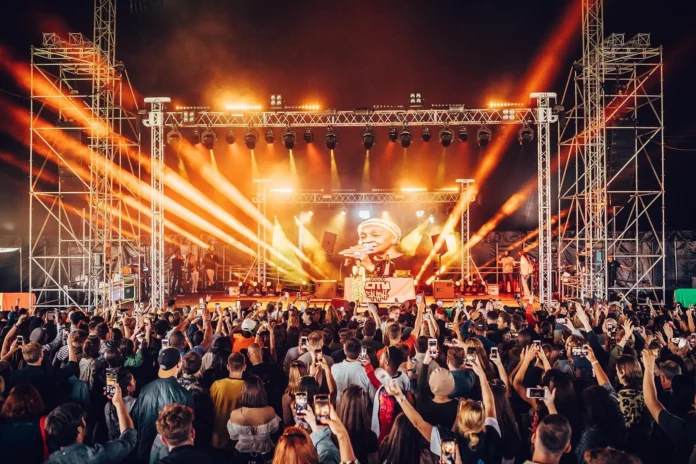
City Splash: The Sound of a Culture, The Pulse of a City
In just a few short years, City Splash has grown from a bold idea into one of the UK’s most important celebrations of reggae, dancehall, and Black music culture. What started as a vision to give London its own authentic Caribbean-rooted festival has quickly become a cornerstone of the summer calendar—bridging generations, sounds, and communities.
The seeds of City Splash were planted over a decade before its launch by founder Ben Ryan, who wanted to create a large-scale festival that truly reflected the Black community in London. That vision became reality in 2021, when the first event sold out with 10,000 attendees—proof that the demand for an authentic reggae and dancehall experience in the capital was long overdue.
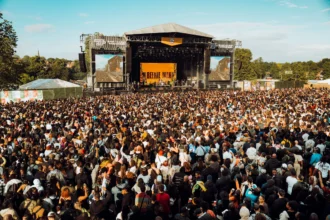
Since then, the festival has expanded into a 30,000-capacity cultural powerhouse, celebrating everything from roots reggae and dub to dancehall, jungle, afrobeats, and amapiano.
Now firmly rooted in Brockwell Park, City Splash brings a carnival atmosphere to South London—complete with multiple stages, sound systems, food vendors, and community-led programming.
city splash @nanaking
City Splash hasn’t just grown—it has delivered moments that have defined the modern UK reggae and dancehall scene.
Over the years, the festival has hosted a powerful mix of legends and new-generation stars, including:
Popcaan — bringing global dancehall energy to London
Chronixx — including one of his only shows in years
Koffee — representing the new wave of reggae
Beenie Man and Capleton — icons of the genre
These performances, alongside appearances from artists like Skillibeng and Shenseea, have cemented City Splash as a space where heritage meets the future.
Equally important is the festival’s commitment to sound system culture, regularly featuring legendary crews like Channel One—keeping the foundation of reggae alive and loud.
Heading into 2026, City Splash is levelling up once again. The upcoming edition promises a stacked lineup that blends reggae royalty with dancehall heavyweights and UK talent.
Among the names leading this year’s charge:
Aidonia, Elephant Man, Gyptian, Jada Kingdom, Queen Ifrica
Alongside them are UK icons, sound systems, and emerging voices, creating a multi-stage experience that reflects the full spectrum of Black music today.
With each year, City Splash doesn’t just grow in size—it deepens its cultural impact, blending music with food, fashion, discussion panels, and community storytelling.
City Splash represents something bigger than a one-day event. It is a reclaiming of space—a platform built by and for the culture.
In a city as diverse as London, events like City Splash are essential. They celebrate Caribbean identity and heritage, provide visibility for Black artists and businesses, Educate new generations on reggae and sound system culture, and create safe, joyful spaces for community connection
This is especially significant when you consider the legacy of Notting Hill Carnival—a cultural institution born from resistance, resilience, and celebration.
city splash @haruki.design-92
City Splash and Notting Hill Carnival are not separate moments—they are part of the same cultural timeline. City Splash captures the sound system, stage show, and modern evolution of reggae and dancehall in a curated festival setting. Notting Hill Carnival, on the other hand, takes that same energy to the streets—raw, unfiltered, and rooted in decades of Caribbean resistance and expression.
Together, they form a powerful summer narrative, City Splash warms the city up. Carnival sets it on fire. As London continues to evolve, these spaces remain vital. They remind us that reggae and dancehall are not just genres—they are living histories, cultural movements, and global voices born from the Caribbean and carried by its diaspora.
And in that sense, City Splash isn’t just a festival. It’s a statement. It’s a celebration. It’s culture—loud, proud, and unapologetically alive.
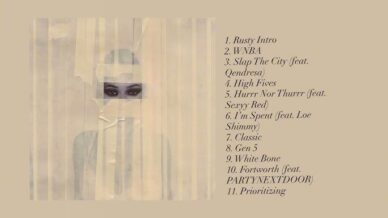
Drake steps deeper into global influence and emotional storytelling on Habibti, an album that blends luxury rap, melodic vulnerability, Afro-Caribbean bounce, and Middle Eastern-inspired textures into one of his most atmospheric projects yet.
From the moment the album begins, Habibti feels intentional. The title — a word commonly used in Arabic meaning “my love” or “my dear” — sets the emotional and cultural tone of the project. Drake uses the album to explore romance, obsession, betrayal, distance, and fame through an international lens, creating a body of work that feels equally suited for rooftop parties in Dubai, late-night drives through Toronto, or beach clubs across the Caribbean.
Production-wise, Habibti is immersive. The album incorporates haunting melodies, ambient synths, subtle Arabic instrumentation, Afrobeat percussion, dancehall grooves, and minimalist trap drums, giving the project a cinematic and worldly feel without sounding forced or gimmicky. Drake sounds fully comfortable navigating between melodic singing, introspective rap verses, and emotionally layered hooks.
Lyrically, the album leans heavily into relationships, trust issues, emotional detachment, and luxury lifestyle reflections — familiar Drake territory — but the global sonic influences help the project feel fresh. Instead of chasing aggressive rap moments, Habibi focuses more on atmosphere, emotional replay value, and mood-driven storytelling.
Several tracks carry the feeling of expensive heartbreak — the kind of music built for dimly lit lounges, international flights, and reflective nights after success. Drake’s ability to soundtrack emotional loneliness inside luxury remains unmatched, and Habibti continues that formula at a high level.
What stands out most is how naturally Drake blends cultures and sounds together. Over the years, he has consistently embraced UK, Afrobeat, Caribbean, and international influences, and Habibi feels like another extension of that global identity. The album does not abandon hip-hop — it expands it.
From a WORLMAG perspective, Habibti succeeds because it feels curated rather than calculated. Drake sounds less interested in proving lyrical dominance and more focused on building a sonic world listeners can emotionally live inside.
The album may not be his hardest-hitting rap project, but it could become one of his most replayable and culturally versatile releases. Stylish, emotional, international, and deeply atmospheric, Habibti reminds listeners why Drake remains one of the most influential artists in modern music.