

From Football Dreams to Music Ambitions – The Story Behind the Artist
238 Kimi
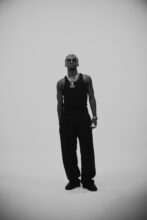
From football dreams to music, from setbacks to a renewed vision, Kimi is carving his own path in Caribbean music. With the success of “Action,” a growing regional presence, and new music on the horizon, Kimi reflects on his upbringing, influences, challenges, ambitions, and the journey that brought him to this new chapter.
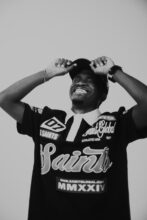
For those discovering you for the first time, who is Kimi, and how would you describe yourself beyond the music?
Kimi is a recording artiste, songwriter, music engineer, and, most importantly, somebody who believes in chasing his dreams regardless of the circumstances. I’m a very driven person, creative, and always looking for ways to improve myself. Beyond music, I’m somebody who values family, loyalty, growth, and being able to inspire people through my journey. I don’t want people to only know me for the songs I release, but also for the person I am and the story behind the music.
Take us back to your childhood. Where did you grow up, and what was your upbringing like?
I was born in Arima, Trinidad, and grew up in different parts of Trinidad, but I’m from The Ville. I grew up in a household with my mother and my two brothers. My mother played a major role in raising us and was always working hard to make sure we had what we needed. We didn’t have everything, but we had a lot of love, and that upbringing helped shape the person I am today.

What experiences growing up had the biggest influence on the person you are today?
Losing my father at such a young age definitely had an impact on my life, even though I was only two years old. Watching my mother work hard and raise three boys taught me a lot about sacrifice, resilience, and determination. Growing up, I learned that nothing is guaranteed, and if you want something in life, you have to be willing to work for it.
Before music became part of your journey, what were your interests, ambitions and dreams?
Football was a major part of my life before music. I started playing from about five years old and continued throughout school. I attended St. Anthony’s College and represented the school at intercollegiate level. I also had the opportunity to represent Trinidad and Tobago at the junior national level. At that time, my dream was to become a professional footballer and take my career overseas.

When did you first discover your passion for music, and do you remember the moment you realised it could become something serious?
Music was always something I was drawn to, but I started taking recording seriously around 2018. Initially, it was just something I loved doing and a way to express myself. As I began recording more, writing more, and seeing people’s reactions to the music, I started to realise that this could become more than a hobby. It was something I could genuinely build a career around.
What inspired you to start making music, and what were some of your earliest steps into the industry?
I think it was the desire to express myself and create something that people could connect with. I started recording, experimenting with different sounds, writing my own material, and learning the technical side of music as well. Some of my earlier releases, like “My Story” and “Pray,” were important steps because they helped me find my voice and understand the direction I wanted to take as an artiste.
I came from a very musical family. My father was a professional singer, a well-known gospel artiste who won dozens of local competitions. As I got older and watched videos and listened to tapes of him performing, I realised I was unconsciously doing many of the same things he did on stage. I believe he had the biggest influence on my musical journey. Growing up in Trinidad, I was also exposed to soca, dancehall, reggae, R&B and hip-hop. I’ve always listened to everything, regardless of genre, as long as it feels good musically. That openness has shaped my versatility and approach to music.
Growing up in Trinidad, you’re naturally exposed to so many different genres and artistes. Soca, dancehall, reggae, R&B and hip-hop all played a role in how I developed musically. I admire artistes who can create music that connects with people, but also command a stage and bring an entire audience together. That combination of melody, energy, storytelling, and performance is something I strive for in my own music.
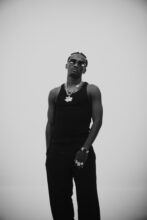
How would you describe your sound to someone who has never listened to your music before?
I would describe my sound as Caribbean, versatile, and melodic. I enjoy blending dancehall influences with soca, reggae, and other sounds that allow me to experiment creatively. I don’t want to be boxed into one genre. I want people to hear a song and recognise my personality and energy, even if the sound is different from something I’ve released before.
Kimi is more than just an artiste name; it’s a representation of my journey. Kimi is the name people know me by, while 238 is the building number where I returned home after my football injury. I was unable to walk for months and had to relearn everything in that building. That experience changed my life and my perspective on things. To me, 238 represents growth, resilience, and the ability to start over. It reminds me that when one dream dies, another can come to life. Over time, it has become more than just a name — it’s a brand, a movement, and a reminder of where I started and where I’m determined to go.
Kimi is the identity I’ve built around myself as an artiste. Kimi is the name people know me by, while 238 is something I’ve incorporated into my brand and represents the identity I’m building. Over time, it has become more than just an artiste name — it’s a brand, a movement, and something I want people to associate with my journey, my music, and my ambitions.
When you step into the studio, what usually inspires you most — personal experiences, emotions, your environment, or simply the energy of a beat?
Honestly, it can be any of those things. Sometimes a beat inspires me before I even have an idea of what the song is going to be about. Other times, I’m drawing from personal experiences, emotions, conversations, or things happening around me. I enjoy the creative process of allowing a song to develop naturally, because some of my best ideas come when I’m not forcing anything.

Every artist has a reason for doing what they do. What is your purpose as an artist, and what do you ultimately want your music to achieve?
My purpose is to create music that connects with people, makes them feel something, and gives them moments they can enjoy and remember. I also want my journey to inspire people who come from similar circumstances to believe that their background doesn’t have to determine their future. Ultimately, I want to build a lasting career, represent Trinidad and Tobago internationally, and leave something meaningful behind through my music.
What do you want listeners to feel, understand or take away from your music?
I want people to feel good. Whether it’s a song that makes you dance, a song that makes you reflect, or one that reminds you of somebody special, I want the music to create an experience. I also want people to hear the passion and authenticity behind what I do. Every song doesn’t have to carry a deep message, but I want every song to make people feel something.

Beyond making hit records, what does success look like to you personally?
Success, for me, is being able to live comfortably doing what I love, take care of my family, create opportunities for people around me, and have the freedom to express myself creatively. It’s also about growth — becoming a better artiste, businessman, performer, and person. Having a long-lasting career means more to me than having one big moment.
What challenges have you faced on your journey so far, and how have they shaped your character and determination?
One of the biggest challenges was my football journey. I had opportunities to pursue football professionally and even had a scholarship opportunity in the United States, but suffering an ACL injury changed the direction of my life. Having to deal with that disappointment and find a new purpose wasn’t easy. It taught me that sometimes life doesn’t go according to plan, but that doesn’t mean your dreams have to end. Music became another opportunity for me to channel that same passion and determination.

Have you ever reached a point where you questioned your direction or considered giving up? What kept you going?
Definitely. I took a break from music for about four years, and during that time I questioned a lot of things. Sometimes you put in the work and don’t see the results you expect, and that can be discouraging. But the passion never really left. I think taking that break allowed me to mature, understand myself better, and return with a clearer vision of what I wanted to accomplish.
Looking back at the early stages of your career, what is the biggest difference between the artist you were then and the artist you are today?
The biggest difference is my mindset. Earlier in my career, I was focused mainly on making music and putting it out. Today, I understand the bigger picture — branding, strategy, performance, business, networking, and building a team. I’m also more confident in myself creatively and more willing to experiment. I have a clearer understanding of who Kimi is and what I want the brand to represent.

What is one important lesson the music industry has taught you that you wish you had understood earlier?
You have to understand the business as much as you understand the music. Talent is important, but talent alone isn’t enough. You have to be strategic, protect your work, understand your contracts, build relationships, invest in yourself, and be patient. I’ve also learned that not everybody who comes around has the same intentions, so you have to be mindful of the people you trust.
How do you deal with criticism, negativity and people who may not believe in your vision?
I try not to take everything personally. Constructive criticism is important because it helps you improve, but you also have to know when something is simply somebody else’s opinion. Not everybody will understand your vision, and that’s okay. I focus on what I’m building, listen to the people whose opinions genuinely matter, and let my work speak for itself.
What has been your proudest moment in music so far, and why does it stand out to you?
The success of “Action” has definitely been one of my proudest moments. Seeing the song gain momentum, hearing it played by DJs locally and internationally, and seeing people create content and enjoy it was an amazing feeling. It was especially meaningful because I had returned to music with a renewed vision, and the response reminded me that the work and belief I put into myself can translate into something real.
How important are your team, family and close circle to your growth, and how do you decide who deserves a place in your corner?
They are extremely important. Nobody builds anything significant alone. My team helps bring ideas to life, and my family and close circle provide support and grounding when things get hectic. For me, trust, honesty, loyalty, and consistency are important. I want people around me who genuinely believe in what we’re building, who can challenge me when necessary, and who are interested in the bigger picture rather than just the moment.
Is there a particular song in your catalogue that represents who you are most authentically? Tell us the story behind it.
I would say “Action” represents a major part of who I am as an artiste today. It captures my energy, my personality, and the direction I want to take my music. The song came together organically, and I think that authenticity is part of what made people connect with it. It represents a new chapter in my journey and reminds me that sometimes you just have to trust your instincts and take action.

Which of your releases has challenged you the most creatively, and what did you learn from making it?
“Time To Shot” was definitely an interesting creative experience because it allowed me to explore a different side of myself musically. It started as something I was working on as a solo artiste, and eventually Voice joined the song. Working with other artistes and producers challenges you to approach music differently, and I learned how important collaboration, adaptability, and being open to ideas are in the creative process.
What artists or producers would you love to collaborate with, and why do you think those collaborations would work?
There are definitely a lot of artistes and producers I would love to work with, both locally and internationally. Machel Montano and Voice are artistes I admire because of their creativity, stage presence, and ability to connect with audiences. Internationally, I would love to explore collaborations with artistes who bring different cultures and sounds to the table, especially within dancehall, Afrobeats, and R&B. I believe my Caribbean sound and versatility could complement a lot of different artistes.

How important is it for you to stay true to your identity while experimenting with different sounds and reaching new audiences?
It’s very important. I believe versatility is one of my strengths, but I never want to lose the essence of who I am or where I come from. Trinidad and Tobago and the Caribbean will always be a major part of my identity and my sound. Experimenting allows me to grow creatively and reach different audiences, but I want people to always be able to recognise the Caribbean influence in my music.
With music travelling across borders through social media and streaming platforms, where would you like to see your sound reach next, and what role do you want to play in the wider Caribbean music scene?
I want to see my music reach as many places as possible, particularly throughout the Caribbean, North America, Europe, and Africa. I believe Caribbean music has so much potential to continue expanding globally, and I want to contribute to that movement. My goal is to represent Trinidad and Tobago proudly, create opportunities for collaborations across the region, and become an artiste who helps bridge different Caribbean sounds and cultures
What are you currently working on that fans should be paying attention to?
I’m currently focused on building on the momentum of my recent releases and developing the next chapter of my career. I’m working on new music, improving my live performances, strengthening my brand, and making sure that every release has a purpose. Fans can expect to see a lot more growth, experimentation, and consistency from Kimi.

Can we expect any new singles, collaborations, EPs, albums or other projects in the coming months?
Definitely! I’m currently working on my upcoming EP, “Rookie of the Year,” in collaboration with Monk Music. Fans can expect a blend of soca and dancehall, two surprise collaborations, and new visuals. It’s an exciting new chapter for me, and I’m looking forward to sharing what we’ve been working on.
What are some of the biggest goals you have set for yourself over the next one to three years, both musically and personally?
Musically, I want to establish myself as a recognised name in Trinidad and Tobago and throughout the Caribbean, expand my international audience, secure more regional and international bookings, and continue releasing music that connects with people. I want to perform on bigger stages, collaborate with artistes I admire, and build a catalogue that can stand the test of time.
Personally, I want to continue growing, become more financially disciplined, invest in my future, and create a better life for myself and my family. I want to be in a position where my music opens doors not only for me, but for the people around me as well.

If you could take your career to the next level with one major opportunity — whether a global collaboration, a major performance or an international breakthrough — what would it be?
I would love the opportunity to perform on a major international stage where Caribbean music is being celebrated on a global scale, or to collaborate with an international artiste whose audience could introduce my music to a completely new market. For me, the ideal opportunity would be something that creates lasting exposure and opens doors beyond just one performance or one song. I want to build a global career, and every opportunity that brings me closer to that vision is something I would embrace.
Finally, what message would you like to give to the people who have supported you from the beginning, and to those who are only just discovering Kimi?
To everybody who has supported me from the beginning, whether you’ve been listening since my early releases or you’ve recently joined the journey, I want to say thank you. Every stream, share, message, booking, and word of encouragement means more than you know.
This journey hasn’t always been easy, and there have been times when I had to step back, regroup, and find my way again. But the support I’ve received has been a reminder that the dream is still alive.
To those discovering Kimi for the first time, welcome. There’s a lot more to come. I encourage you to take the time to listen to the music, get to know the person behind it, and be part of this journey. We’re only getting started.

Outro
For 238 Kimi, the journey is still unfolding. From his early ambitions on the football field to finding his voice in music, his story is a reminder that sometimes the path to achieving your dreams isn’t always the one you originally imagined.
The number 238 represents far more than an address or an artist identity. It reflects a period of recovery, personal growth and the determination to rebuild when circumstances change. Those experiences have helped shape an artiste who understands that longevity requires more than talent alone. It takes patience, strategy, consistency and a willingness to keep learning.
With the upcoming Rookie of the Year EP alongside Monk Music, new collaborations and ambitions to reach audiences across the Caribbean, North America, Europe and Africa, Kimi is looking towards a future that extends far beyond his current achievements.
His message to supporters, both old and new, is simple: the journey is far from over.
And perhaps that is the most fitting representation of 238 Kimi. An artist who has experienced setbacks, taken time to rediscover his direction and returned with a renewed belief in what is possible.
The football dream may have changed, but the ambition never left. For 238 Kimi, this is only the beginning.
Follow 238 Kimi on Instagram: @238kimi_ and stay connected with Worlmag for more Caribbean music, entertainment and artist features.