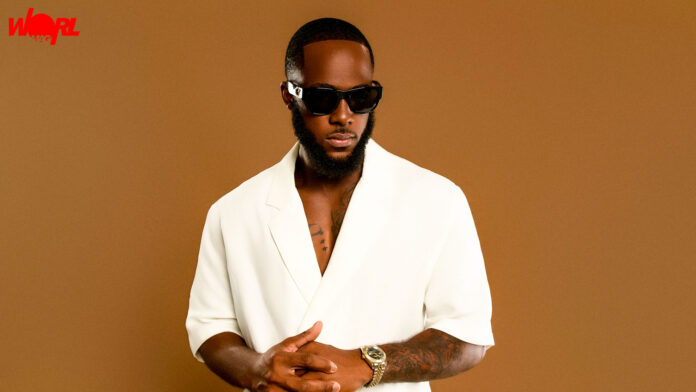

Viggy Da Artist: From Anguilla to the World – The Journey of a Two-Time Groovy Soca Monarch
From feeling overlooked as a child to becoming a two-time Groovy Soca Monarch, Viggy Da Artist is building a musical journey fuelled by determination, self-belief and a dream that stretches far beyond the shores of Anguilla.
For the Anguillian artist, music has always been about more than creating infectious Caribbean rhythms. It is about storytelling, cultural identity, inspiring others and proving that where you come from does not determine how far you can go.
With more than 15 years in music, a background in Junior Calypso competitions, experience performing with several bands and a solo career launched in 2019, Viggy has steadily developed his own identity within the soca landscape.
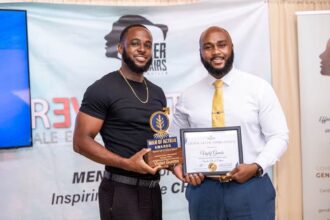
His journey has already delivered significant milestones, including back-to-back Groovy Soca Monarch victories in 2024 and 2025. Yet behind the crowns and performances is an artist who admits that there were moments when he questioned his future in music, struggled with self-belief and wondered whether the hard work was being recognised. In this Worlmag exclusive, Viggy Da Artist opens up about his childhood, the risks he took to pursue his dreams, the importance of his Caribbean roots, his ambition to put Anguilla on the international soca map and the legacy he hopes to build for the next generation.
For readers who are discovering you for the first time, who is Viggy Da Artist? How would you describe yourself, both as an artist and as a person away from the music?
Viggy is really just a guy from a small island who loves music and has big dreams. I’m a two-time Groovy Soca Monarch of Anguilla, but beyond the titles, I’m someone who genuinely loves what I do and works extremely hard at it.
Outside of music, I’m a family man. I love peace, nature, and the simple things in life. I consider myself a very humble and grounded person, but I’m also someone who believes deeply in himself and the possibilities of what he can achieve. I think that’s one of the biggest things that defines me. No matter where I come from or how big the dream may seem, I’ve always believed that anything is possible once you’re willing to put in the work.
Take us back to your childhood. What was growing up like for you, and what early experiences helped shape the person you are today?
Growing up, I always felt like I was overlooked. I remember being the last person picked for sports teams, and even academically, I was always in the highest classes but never at the top of the class. I constantly felt like I was just good enough, but never quite good enough to stand out. Looking back, I think I spent so much of my childhood trying to fit in and find where I belonged that it eventually shaped the person I am today.
In a strange way, I think that feeling of being overlooked created this hunger in me. It’s one of the reasons I’m so disciplined and intentional about the things I invest my time into now. When I commit to something, I give it everything I have because I genuinely want to be the best at whatever I set out to do. I think a lot of who I am today comes from that little boy who just wanted to feel like he was good enough.
When did you first realise that music was something you wanted to pursue seriously? Was there a particular moment when you felt this was your calling?
Music has always been a part of my life. I started singing in Junior Calypso competitions from around the age of 10, but back then I was really just a kid enjoying music and figuring out what I wanted to do with my life. Shortly after, a childhood friend introduced me to soca, and I was invited to join my first garage band. From there, I went on to perform with about four other bands, and each experience taught me something different about music and myself as an artist.
I think the real turning point came when I left my last band. I felt like I had spent enough time exploring, learning, and finding myself musically, and it was finally time to take that leap and build something of my own. So in 2019, I decided to pursue a solo career, becoming one of the early solo soca artists emerging from Anguilla. Looking back at the places music has taken me, the people I’ve met, and the opportunities I’ve experienced, I can genuinely say that taking that leap was one of the best decisions I’ve ever made.
Who were the people who supported or influenced you in your early years, and how important was their encouragement in helping you believe in your talent?
I’ve been fortunate to have quite a few people influence and support me throughout my journey, but there’s one particular experience that really changed the way I looked at myself as an artist.
One of my brothers, who we call Muggsy, took me over to our neighbouring island, St. Maarten (SXM), and introduced me to someone named Dizzel. That experience genuinely changed my life because, for the first time, I started to see what was actually possible with my music. I realised that I could create music that sounded like the songs I grew up listening to, and that pursuing music as a career wasn’t as far-fetched as I once thought.
Of course, there have been so many other people who have played an important role in my journey. People like Crispin, Joy, Adanna, just to name a few, have all encouraged and supported me in different ways, and I’m genuinely grateful for every single person who has believed in me along the way. But that particular experience with Muggsy and Dizzel will always stand out because it was one of the first times I stopped seeing myself as just someone who loved singing and started seeing myself as an actual artist.
Before you became the artist people know today, what were some of the challenges you faced while finding your feet in the music industry?
I think one of my biggest challenges was finding the courage to take a chance on myself. While many young artists face financial challenges, and I’ve certainly had my share of those, I think my biggest struggle was learning to believe in myself even when the people around me couldn’t necessarily see the same vision I had.
It’s a strange feeling when you can see something so clearly for your future, but you’re the only one who seems to see it. It takes what I like to call “crazy faith” to keep going, especially when there’s no guarantee that things will work out. And to be honest, that’s something I still struggle with at times today. But I’ve learnt that not everyone is going to see what you see, and sometimes you just have to trust yourself enough to take that chance anyway.
How would you describe your musical style, and what makes your sound different from other artists in the Caribbean music scene?
I would describe my sound as melodic, feel-good soca that’s heavily influenced by my roots in calypso and Caribbean storytelling. I’ve always believed that music should make people feel something, whether it’s the excitement of Carnival, the feeling of being free, or even love and romance.
I think what makes my approach different is how I try to blend those emotions with infectious Caribbean rhythms while still telling a story. Growing up in calypso taught me that music is more than just a catchy melody or something to dance to. It’s also about creating a connection with the listener. I wouldn’t necessarily say I’m reinventing soca, but I believe I’m bringing my own perspective and experiences into it. Coming from a small island like Anguilla, I want to create music that stays true to my Caribbean roots but can connect with people anywhere in the world. For me, the goal has always been to create music that people don’t just dance to, but music they can feel, relate to, and remember.

Which artists or musical genres have had the biggest influence on your development, and how have you incorporated those influences into your own identity?
Honestly, I have a real love for country music, and I think what draws me to it the most is the storytelling. There’s something about how a country song can take you through an entire experience and make you feel every word. Coming from a calypso background, that has always resonated with me because storytelling is such a big part of where I started musically.
I’ve always believed that music should be more than just a nice beat or something people can dance to. The lyrics should mean something. They should make you feel something, whether that’s happiness, love, heartbreak, or even nostalgia. And I think that’s something I try to incorporate into my own identity as an artist. I love making music that people can enjoy and move to, but I also want them to connect with what I’m saying. For me, that’s what makes a song truly special.
Every artist has a defining moment in their journey. What was the experience or opportunity that made you feel you were moving in the right direction?
Without a doubt, my first media tour to Trinidad. I recently shared this story on my socials because I don’t think people truly understand how much that first trip meant to me and the risks I took just to make it happen. I had always dreamed of taking my music to Trinidad, hearing DJs play my songs, performing, and just being part of a music industry I had admired for so long. But when the opportunity finally presented itself, I wasn’t financially prepared. I had no money, no clothes, just a DREAM.
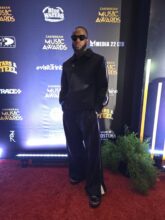
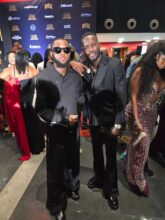
So I took a chance on myself and went out and got a loan to make that trip happen. I had no idea what would come from it, but I knew I couldn’t let that opportunity pass me by. Looking back, that decision changed so much for me. From being featured on my first riddim to eventually walking the red carpet at the Caribbean Music Awards in September 2026, so many opportunities have followed that first leap of faith. And I think that’s what makes that moment so special to me. It wasn’t just my first media tour. It was the moment I decided that if I truly believed in my dream, I had to be willing to take a risk on myself, even when the odds weren’t in my favour.
What does your stage name, Viggy Da Artist, represent to you? Is there a deeper meaning behind the name or the identity you have created?
Viggy is actually my childhood nickname, which is just a shortened version of my real name, Viglef. It’s a name that has stuck with me for as long as I can remember, so when I started pursuing music, it just felt natural to carry that name onto the stage. There wasn’t really any deep thought or big creative process behind it. It’s simply a name I’ve always been known by, and I never felt the need to change it.
As for Viggy Da Artist, that’s really just my social media handle. The artist is Viggy, and I think what I love most about that is that I’ve never had to create a completely different identity for music. I’m still the same Viggy I’ve always been, just sharing a different side of myself with the world.
How important is your Caribbean heritage and culture to your music, and what do you want listeners to learn or feel about your roots through your artistry?
I think my Caribbean roots are everything when it comes to the music I create. Soca music, to me, is one of the purest expressions of our heritage and culture through song. So in many ways, my Caribbean roots are my music. A lot of what I create is inspired by who we are as Caribbean people, our experiences, our celebrations, our energy, and the way we express ourselves.
Being from Anguilla, a small island in the Caribbean, I also feel a sense of responsibility to showcase where I come from. I want people to understand that even though we may be small, we have a rich culture, talented people, and stories worth sharing with the world. Ultimately, I want listeners to feel the joy, freedom, and togetherness that make Caribbean culture so special. And if my music can make someone who has never visited Anguilla curious about our island and our culture, then I think I’m doing something right.
Beyond making music and entertaining people, what is your purpose as an artist? What message do you want your music to communicate to the world?
I think I make music for the underdog. When I really think about my purpose as an artist, it’s bigger than just making good music or entertaining people. I want to inspire others to dream, especially those who come from places where opportunities may seem limited.
Coming from Anguilla, a small island that you seldom hear mentioned in conversations about soca and Caribbean music, I’ve always used that as fuel to push myself further. I want to show that where you come from doesn’t have to determine how far you can go. More than anything, I want someone, somewhere in the world, who feels like their dream is impossible to look at my journey and think, “If he can do it, maybe I can too.” Because the truth is, you’re going to fall, you’re going to get some cuts and bruises along the way, and there will be moments when you question everything. But if you keep getting up, keep believing, and keep putting in the work, one day you might just find yourself living the very dream you once thought was impossible.
Every artist has a dream that keeps them motivated during difficult moments. What is the biggest dream you are working towards, and what would achieving it mean to you?
I’ve always said that one of my biggest dreams is to be able to buy my mother a house through my music. Growing up in a single-parent home, I’ve seen firsthand the sacrifices she’s made, and I think that’s something that has stayed with me as I’ve gotten older.
My mother is everything to me, and honestly, she’s one of the biggest reasons I keep going. Every year when her birthday comes around, as much as it’s a celebration, it’s also a reality check for me. It’s another reminder that time is moving and that I need to find another gear and keep pushing.
More than anything, I want her to experience the best life possible while she’s still here to enjoy it. I want her to be able to look back and know that all those years of sacrifice were worth something. So while I have some really big dreams for my music career, being able to do that for my mother would mean more to me than any award or achievement. That’s what gets me out of bed every morning and keeps me dreaming.
When you look at the wider Caribbean music industry, what changes would you like to see that could create more opportunities for emerging artists?
I would genuinely love to see more mentorship programmes within the Caribbean music industry. I think sometimes, as Caribbean people, we make learning a craft harder than it needs to be. We have this strong belief in paying your dues and figuring things out on your own, and while I do believe there’s value in that because you have to want it badly enough for yourself, I also think there’s so much we can gain from simply helping each other.
One thing I’ve always wished for throughout my journey is having someone I could turn to, ask questions, get advice from, and help steer me in the right direction. Not someone to do the work for me, but someone who could help me avoid certain mistakes or understand things I haven’t experienced yet. I think if more established artists and industry professionals were willing to share their knowledge and experiences with the next generation, we could create a much stronger Caribbean music industry. Sometimes all a young artist needs is a little guidance to help them see what’s possible.
What does success mean to you personally? Is it chart recognition, international performances, financial freedom, influencing lives, or something entirely different?
I think success for me is FREEDOM. It’s being able to create the life I want for myself and the people I love without constantly feeling limited by circumstances or opportunities. But beyond that, success is also about legacy. It’s about being able to play a pivotal role in building the foundation for those coming after me. I often think about how many doors I can open and how much easier I can make the journey for the next generation because of the work I’m putting in today. Of course, chart recognition, international performances, and financial freedom are all things I aspire to achieve, but I don’t think those things alone define success for me.
At the end of the day, I want to be able to look back and know that I didn’t just create a better life for myself, but I also helped create opportunities for others. So for me, success will always come down to two things: freedom and legacy.
If your music could leave one lasting impact on the next generation, what would you want that legacy to be?
I would want my legacy to be one that encourages diversity and individuality. The reason I say that is because, coming from Anguilla, my music is quite different from what you would typically hear being played on a day-to-day basis. But despite that, I’ve been fortunate enough to have people embrace my sound both at home and abroad. And I think that’s something I would want the next generation to understand. You don’t always have to follow what’s popular or do what everyone else is doing to find your place. Sometimes the very thing that makes you different is what makes you special.
So if there’s one thing I would want young artists to take away from my journey, it’s to never be afraid to be themselves, trust their instincts, and create what feels authentic to them. Because there’s room in this world for all of us to be different and still be successful.
What has been the most challenging period of your musical journey so far, and how did you find the strength to keep going?
I think one of the most challenging parts of my musical journey has been finding consistent support. And I don’t just mean financially, but having people genuinely believe in what you’re trying to build. That can be really taxing mentally because there are moments when you feel completely alone, almost like you’re chasing a dream that nobody else can see or fully understand. And sometimes you start questioning whether you’re being unrealistic or if what you’re working towards is even possible.
I’ve been fortunate to have people who have supported and believed in me along the way, and I’ll always be grateful for that. But I think one of the hardest things about pursuing a dream is accepting that not everyone is going to see the vision the way you do.
What keeps me going is reminding myself why I started and understanding that just because someone else can’t see what’s possible doesn’t mean it isn’t possible. I’ve had to learn to be my own biggest believer, especially during the moments when the support isn’t there.
What is one lesson the music industry has taught you that you wish you had understood at the beginning of your career?
One of the biggest lessons I’ve learnt is that talent alone isn’t enough. I used to believe that once you made good music, everything else would naturally fall into place. But I’ve come to realise that there’s so much more to building a successful music career.
Networking, in particular, has been one of my biggest lessons. Sometimes it’s not just about how good your music is, but who knows you, the relationships you’ve built, and the rooms you’re willing to put yourself in. I’ve learnt that branding, marketing, and how you present yourself are all important, but building genuine relationships with people in the industry can open doors that your music alone might not.
Looking back, I wish I had understood earlier that being an artist isn’t just about creating great music. It’s also about putting yourself in the right environments, connecting with the right people, and giving your talent the opportunity to be heard.
Have you ever reached a point where you questioned your direction or considered giving up? What helped you refocus and continue pursuing your dream?
Funny enough, the year I won my first Groovy Soca Monarch title in 2024 was actually the year I was planning to quit music. At the time, I felt like I wasn’t getting the recognition I had been working so hard for locally. And it wasn’t that I wanted anything handed to me, I just wanted to feel like the work I was putting in was being seen and appreciated. After a while, that can become really discouraging, and I genuinely started questioning whether I wanted to continue.
Then, unexpectedly, I got a call saying they wanted to send me and two other artists to perform at St. Thomas Carnival. That experience changed so much for me because it reminded me why I fell in love with music in the first place.
When I returned home, I was encouraged to enter the Groovy Soca Monarch competition, and I ended up winning my first crown that year. Then, in 2025, I returned and won it again, becoming a back-to-back champion. Looking back, it’s crazy to think that the year I almost gave up became one of the biggest turning points in my career. It taught me that sometimes you can be much closer to a breakthrough than you realise.
How do you deal with criticism, rejection and the pressure to keep producing music while maintaining your confidence and individuality?
I think for me, criticism and rejection don’t really faze me as much because I’ve been exposed to those things from a very young age through competitive cricket, which I’ve been involved in for over 15 years. Playing cricket at a national level taught me a lot about dealing with pressure, criticism, and people’s opinions. Whether it came from teammates, opposing teams, or people who simply didn’t believe in my abilities, I had to learn how to shut out the noise and stay focused on what I wanted to achieve.
And I think that experience prepared me mentally for the music industry more than I realised. I’ve learnt that not everyone is going to like what you do or understand your approach, and that’s perfectly fine. If anything, those experiences have created a hunger in me to keep improving and proving people wrong. But more importantly, they’ve taught me to trust myself, remain disciplined, and never allow someone else’s opinion to dictate what I believe I’m capable of achieving.
As you have grown as an artist, what have you learned about discipline, consistency, business and the importance of surrounding yourself with the right people?
One of the biggest things I’ve learnt is that almost everything can be learnt, but you have to be willing to suck at something before you can become good at it. I think sometimes we’re so afraid of failing or looking stupid that we never give ourselves the opportunity to grow. But I’ve come to realise that being willing to look stupid, make mistakes, and try again is actually one of the most important parts of becoming great at anything.
As I’ve grown as an artist, I’ve also learnt that discipline and consistency are what turn those lessons into progress. You have to keep showing up, even when you’re not seeing the results you want. And when it comes to business and the people around you, I’ve realised how important it is to surround yourself with people who challenge you, share knowledge, and genuinely want to see you grow. Because talent can only take you so far, and there’s so much about this industry that you have to be willing to learn.
So my biggest lesson would be to never be afraid to start something you’re not good at. Try, fail, learn, and keep trying until you get to a point where you can genuinely look at yourself and feel proud of how far you’ve come.
Looking back at your catalogue, which song or project holds the greatest personal significance for you, and what is the story behind it?
I would definitely say “Climax,” because I think it has one of the most rewarding stories behind it. When I entered the Groovy Soca Monarch competition in 2024, one of my biggest motivations was actually the prize. And funny enough, it wasn’t the cash prize I was interested in. It was the opportunity to have a song produced by a producer from Trinidad.
For years, I had dreamed of working with producers from Trinidad and being able to create music at that level. So when I saw that opportunity, I knew it was something I wanted badly enough to compete for. Fast-forward to winning the competition, that dream eventually became a reality through “Climax.”
And I think that’s why the song means so much to me. It’s not just another release in my catalogue. It’s a reminder of why I took that chance on myself in 2024 and how something I once dreamed about eventually became something I could actually listen to. To me, that’s what makes “Climax” special. It’s a dream that turned into a song.

Is there a particular performance, collaboration or career milestone that stands out as a turning point? Why was that moment so important?
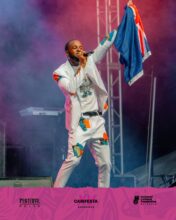
I would definitely say my performance at St. Thomas Carnival. That was my first time travelling outside of Anguilla to perform as an artist, and it was a huge turning point for me. I’ve always struggled a bit with confidence, especially when it comes to wondering how people who aren’t familiar with me or my music would receive it. And to be honest, going into that performance, I genuinely thought it wasn’t going to go well.
But to my surprise, the reception was amazing. Seeing people from another island embrace my music and respond to my performance the way they did was something I’ll never forget.
I think that moment gave me a level of confidence I didn’t have before. It made me realise that my music could connect with people beyond Anguilla, and that maybe I had been underestimating myself all along. So for me, that performance wasn’t just another milestone. It was one of the first times I truly started to see the possibilities of where my music could take me.
How do you approach the creative process when developing a new song? Do your ideas come from personal experiences, everyday life, cultural influences or simply a particular feeling?
I think when I first started as an artist, I used to hinder my own creativity quite a bit. I was constantly comparing my work to other artists or trying so hard to create a hit song, and looking back, both of those things were really counterproductive because they made me question my own abilities.
But as I’ve grown, I’ve learnt to approach music differently. Now, I like to say that I make life my colouring book. I draw inspiration from almost everything around me, whether it’s a conversation with a friend, standing in line at the supermarket, watching a movie, or simply observing people and their experiences. I’m constantly searching for ideas that I can turn into music. Sometimes it’s a feeling, sometimes it’s something someone says, and other times it’s just a random moment that sparks an idea.
I think the biggest difference now is that I’m no longer putting so much pressure on myself to create a hit. I’m more focused on being creative, telling stories, and allowing inspiration to come from wherever life takes me. My creative brain is pretty much always switched on.
If you could collaborate with any three artists from the Caribbean or international music scene, who would they be, and what would you hope to create together?
I would definitely say Kes, V’ghn, and Destra. And the funny thing is, I already have an idea of what kind of song I’d want to create with each of them. With Kes, I’d love to create something with a deep-rooted calypso feel, something that really brings out the storytelling and musicality that I love so much. With V’ghn, we’re definitely making something for the ladies. Something smooth, groovy, and full of vibes.
And with Destra, I need us to bring back that old-school, throw-your-rag-in-the-air kind of soca. Something with that infectious energy that makes you want to lose yourself in the music. I think all three collaborations would allow me to explore different sides of my artistry, and that’s what excites me most about the possibilities.

What can fans expect from you for the remainder of 2026? Are there any new singles, music videos, collaborations or major performances on the horizon?
Well, there’s definitely more music on the way! I have another track coming really soon, so we’re not slowing down just yet. As for collaborations, we’re saving those for 2027. We’ve got some really exciting things in the works with a few artists, and we’ll be kicking those off early in the new year.
I don’t want to give away too much just yet, but I’m really excited about what’s coming. We’re continuing to push boundaries, explore new sounds, and take the music to new places. So there’s definitely a lot to look forward to!
Are you currently working on a larger body of work, such as an EP or album? If so, what direction are you taking, and what can listeners expect from this next chapter?
Right now, my main focus is on releasing singles. I really want to give my fans as much diversity as possible while maintaining a strong presence throughout the year.
For me, it’s not just about putting together a body of work, releasing it, and then disappearing for a while. I want to be consistent, keep showing up for my fans, and give them something new to connect with throughout the year. I also think releasing singles gives me the freedom to explore different sounds and creative ideas without feeling limited to one particular direction.
An EP or album is definitely something I’d love to explore eventually, but right now, my priority is building that connection with my audience, one release at a time.
Which markets or audiences are you most eager to reach next, and what steps are you taking to expand your music beyond your established fan base?
I think I’ve only just scratched the surface of some of the markets I’ve been trying to break into over the past three years. Places like Trinidad, St. Kitts, and Barbados are definitely markets I want to continue exploring and building a stronger presence in.
I’m also seriously considering the UK market and potentially putting together a European tour. One thing I’d really love to do is connect with the Anguillian communities living abroad, give them a little taste of home, and hopefully give them something they can feel proud of and come out to support.
For me, expansion isn’t just about reaching new audiences. It’s also about building genuine connections and making sure that wherever my music takes me, I’m still carrying Anguilla with me. So the goal now is to continue putting myself in those spaces, building relationships, and turning the introductions I’ve made over the years into something much bigger.
Beyond recording and performing, are there other areas you would like to explore, such as songwriting for other artists, production, business ventures, mentorship or community initiatives?
To be honest, I’m already starting to explore songwriting for other artists locally, and mentorship is another area I’m really passionate about getting into. I think knowledge is one of the most valuable things we can share, and having spent years trying to find my way into certain spaces and build relationships within the industry, I would love to use those experiences to help guide the next generation.
I’ve worked hard to find ways to get my foot in the door, and I don’t want the people coming after me to have to figure out everything on their own. If I’ve managed to open a door even slightly, I’d love to help someone else walk through it.
One of my bigger goals is to eventually host island-wide developmental camps where young creatives can learn, develop their skills, and gain exposure to opportunities they might not otherwise have access to.
That’s something I’m hoping to start exploring more seriously in 2027 because, for me, it’s not just about how far I can take my own career, but how many people I can help along the way.
When you look five years ahead, where do you envision yourself as an artist, and what would you like to have accomplished by then?
When I look five years ahead, I see myself living out my full potential as an artist. I want to be performing on some of the biggest stages in the Caribbean and internationally, collaborating with artists I’ve admired for years, like Kes and V’ghn, and creating music that connects with people all over the world.
I have some really big dreams for myself. I want to be recognised as one of the leading voices in soca, and one of my personal goals is to become the first Anguillian artist to win a Caribbean Music Award. I want to look back five years from now and genuinely feel like I’ve pushed myself beyond what I once thought was possible. But as much as I want those things for myself, I’ve always believed that my achievements should mean something bigger than just me.
I want to see more Anguillian artists performing in Trinidad and on major international stages because of doors I’ve helped open. I want to have annual developmental camps and workshops where we’re not just teaching young creatives, but giving them tangible opportunities, whether that’s recording music, connecting with industry professionals, or gaining access to resources they wouldn’t normally have.
Ultimately, I want to become a household name in soca while helping put Anguilla firmly on the map. I want to build a career that I’m genuinely proud of, but I also want my contribution to our culture to be something that lasts long after me. Five years from now, I don’t just want to be dreaming about these things anymore. I want to be living them.
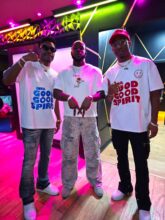
Finally, what message would you like to leave with your supporters and those who are still discovering your music? For anyone with a dream who may be struggling to believe in themselves, what advice would you share from your own journey?
No matter where you come from, who you are, or how little you may have, I genuinely believe you can achieve something great. But it starts with believing in YOU. You’re going to face challenges, you’re going to have moments when you question yourself, but don’t ever let your circumstances convince you that your dreams are impossible.
To everyone who has supported me throughout this journey, thank you for rocking with me. It’s been over 15 years of doing music, and sometimes it’s the smallest gestures, the messages, the encouragement, or someone simply singing along to my music that remind me why I keep going. I don’t take any of it for granted.
And to those who are just discovering my music, I’m Viggy, the two-time Groovy Soca Monarch of Anguilla, and I’m hoping to become your new favourite artist! I know this journey will continue to come with its challenges, but I genuinely believe everything I’m working towards will be worth it. So stick around, grow with me, and watch me put Anguilla on the map. We’re only just getting started.
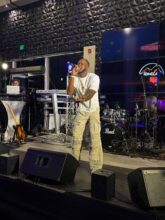
More Than a Music Career, It’s About Building a Legacy
For Viggy Da Artist, the journey is far from complete. While becoming a recognised name in soca remains a major ambition, his vision extends beyond personal success. From wanting to perform on some of the biggest stages internationally to becoming the first Anguillian artist to win a Caribbean Music Award, he has set himself goals that reflect both his ambition and his desire to represent his island.
His plans for 2027 also include exploring mentorship and developmental camps for young creatives, helping emerging talent gain the knowledge, resources and industry connections that he wishes he had access to earlier in his own journey. Perhaps the most powerful part of Viggy’s story is that he has never allowed his circumstances to define his potential. The same person who once felt overlooked is now determined to create opportunities for others who may be experiencing those same feelings.
With more music on the way, potential international expansion and a growing vision for Anguilla’s musical future, Viggy Da Artist is entering an exciting chapter. As he puts it: “Sometimes the very thing that makes you different is what makes you special.” And if his journey so far is anything to go by, the dream of putting Anguilla firmly on the map is only just getting started.